 Register
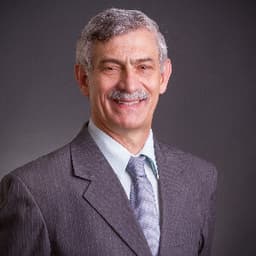
Laurindo Moacir Sassi
Erasto Gaertner Hospital Cancer Center and Mackenzie Evangelical University Hospital
Facial reconstructive surgery is an important branch of dental science. It helps patients with facial deformities, such as cleft lips or palates, get the physical features they desire, while also restoring oral function. The goal of facial reconstructive surgery is to enhance appearance, improve speech and potentially restore breathing for both children and adults. Facial reconstructive surgery involves the reshaping of facial tissues to correct congenital, trauma-related, or disease-based deformities. Surgeons conduct intricate procedures, such as removing tissue, adding tissue grafts, and repositioning and restructuring existing tissue or bone. In addition to corrective work, facial reconstructive surgery can be used to improve the appearance of individuals who have excessively large or small features due to birth defects, age, or facial trauma resulting from accidents or injuries. In many cases, patients may require multiple procedures in order to achieve the desired results. Procedures may include maxillofacial, rhinoplasty, brow lift, blepharoplasty, facial implants, and jaw reconstruction. Depending on the severity of the condition, facial reconstructive surgery can be performed either under local or general anesthesia. Recovery and results may vary from patient to patient, but the overall result should be significant improvement to both function and appearance. Patients can expect improved speech, breathing, and an improved facial appearance. Facial reconstructive surgery not only improves cosmetics, but it also helps to rebuild self-esteem that can be lost during battles with facial deformities. Facial reconstructive surgery is a complex and sometimes delicate procedure. However, with the correct diagnosis and treatment, many patients find the process to be successful. It is important to find a compassionate and experienced doctor to handle the surgery to ensure the best possible results. Facial reconstructive surgery is one of the many modern wonders of dental science and stands as an example of the powerful ways in which the medical and dental fields are growing and developing.
Erasto Gaertner Hospital Cancer Center and Mackenzie Evangelical University Hospital
Erasto Gaertner Hospital Cancer Center and Mackenzie Evangelical University Hospital
Introduction: Resection of facial tumors involving the maxilla and mandible frequently results in significant functional and aesthetic sequelae, compromising speech, chewing, swallowing, and…
Introduction: Resection of facial tumors involving the maxilla and mandible frequently results in significant functional and aesthetic sequelae, compromising speech, chewing, swallowing, and…
Resection of facial tumors involving the maxilla and mandible often causes significant functional and aesthetic sequelae, affecting speech, mastication, swallowing, and self-esteem. Factors such as…
Can lack of adherence to prevention be a factor contributing to large resections of mouth tumors and forcing the creation of new techniques for reconstruction purposes?” DIRSCHNABE... SASSI, 2020…
Introduction: The anatomical defects left by the tumors that affect the face make us more sensitive to their destruction. The difficulties faced in facial reconstructions and rehabilitations are…
Introduction : Tumors that reach the face make us more sensitized by their destruction. Each surgical process is a challenge, especially when there is a great reconstruction to be carried out due to…
Sessions are CPD-accredited; certificates issued to every registered delegate within two weeks of the conference.
Oral and poster slots for original Facial Reconstructive Surgery work, reviewed by the scientific committee.
Meet dentists, oral-health researchers, and clinical leaders from around the world across three days.
Accepted abstracts appear in the indexed conference proceedings with a citable DOI.
Plenary lectures from leading voices shaping Facial Reconstructive Surgery research and practice.
Attend in person in Singapore or join virtually — same programme, same certificate.
Oral and poster slots for your work — in person in Singapore or online. Not presenting? Attend as a delegate to learn from the field.
The Facial Reconstructive Surgery track is a dedicated stream within Dental 2027 covering the latest research, clinical innovation, and best practice in Facial Reconstructive Surgery. It brings together researchers, educators, and practitioners for oral presentations, posters, and discussion.
Educators, doctoral students, and dentists, oral-health researchers, and clinical leaders with an interest in Facial Reconstructive Surgery are all welcome — whether presenting or attending.
Yes. Submit an abstract for oral or poster presentation. All submissions are peer-reviewed by the scientific committee; accepted abstracts appear in the indexed proceedings.
Yes. Dental 2027 is a hybrid conference — attend the Facial Reconstructive Surgery track in person in Singapore or join live online, with on-demand access afterward.
Singapore · March 15–17, 2027· Hybrid · in-person & virtual
Attend without presenting.