 Register
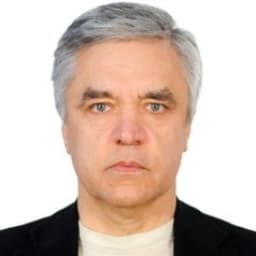
Sergey Suchkov
N.D. Zelinskii Institute for Organic Chemistry of the Russian Academy of Sciences
Regenerative dentistry seeks to restore damaged dental, periodontal, and craniofacial tissues through biological approaches, tissue engineering, biomaterials, and cell-based strategies. The session encompasses stem cell applications, pulp and periodontal regeneration, bone regeneration, bioactive scaffolds, tissue engineering, and emerging regenerative technologies.
Abstract Scope and Participation
The session welcomes basic, translational, and clinical research involving regenerative therapies, stem cells, scaffolds, biomolecules, tissue engineering, biomaterials, and clinical applications. Dental researchers, clinicians, cell biologists, bioengineers, material scientists, and interdisciplinary teams are invited to share advances and emerging approaches.
N.D. Zelinskii Institute for Organic Chemistry of the Russian Academy of Sciences
Advances in the foundational science of dental, oral, and craniofacial health are expanding and enabling personalized and precision care built on strong discoveries in the fields of systems and…
Management of combined endodontic periodontal lesions is one of the most challenging tasks. The prognosis of complex conditions involving both endodontic and periodontic components is guarded, but…
Corticotomy has been utilized with varying degrees of success to expedite orthodontic movement; however, a clearly defined protocol for its application remains absent. This gap underscores the…
Modern medicine has moved leaps and bounds in the field of regenerative medicine, and stem cell therapies. I would like to discuss and put the perspective of a specialist in the field towards the use…
Introduction: The use of mesenchymal stem cells (MSCs) in regenerative dentistry is becoming an increasingly vital and interesting area of research. MSCs derived from dental origins have shown great…
Bone regeneration in dentistry involves the use of cells, biological or artificial biometric scaffolds, and biofactors that promote cell growth and differentiation along complex pathways to repair…
Sessions are CPD-accredited; certificates issued to every registered delegate within two weeks of the conference.
Oral and poster slots for original Regenerative Dentistry & Tissue Engineering work, reviewed by the scientific committee.
Meet dentists, oral-health researchers, and clinical leaders from around the world across three days.
Accepted abstracts appear in the indexed conference proceedings with a citable DOI.
Plenary lectures from leading voices shaping Regenerative Dentistry & Tissue Engineering research and practice.
Attend in person in Singapore or join virtually — same programme, same certificate.
Oral and poster slots for your work — in person in Singapore or online. Not presenting? Attend as a delegate to learn from the field.
The Regenerative Dentistry & Tissue Engineering track is a dedicated stream within Dental 2027 covering the latest research, clinical innovation, and best practice in Regenerative Dentistry & Tissue Engineering. It brings together researchers, educators, and practitioners for oral presentations, posters, and discussion.
Educators, doctoral students, and dentists, oral-health researchers, and clinical leaders with an interest in Regenerative Dentistry & Tissue Engineering are all welcome — whether presenting or attending.
Yes. Submit an abstract for oral or poster presentation. All submissions are peer-reviewed by the scientific committee; accepted abstracts appear in the indexed proceedings.
Yes. Dental 2027 is a hybrid conference — attend the Regenerative Dentistry & Tissue Engineering track in person in Singapore or join live online, with on-demand access afterward.
Singapore · March 15–17, 2027· Hybrid · in-person & virtual
Attend without presenting.