6th Edition of International Conference on Tissue Engineering and Regenerative Medicine
September 28-30 | London, UK

Cell Biology and Stem Cell Engineering
Understanding cellular behavior at the molecular and systemic levels is crucial for advancing tissue-based therapeutics. Cell biology and stem cell engineering together explore how cells function, differentiate, and communicate, with the goal of manipulating these pathways for therapeutic gain. Innovations in reprogramming somatic cells into pluripotent states and engineering them to exhibit specific phenotypes are redefining regenerative interventions. Researchers are applying gene-editing techniques like CRISPR, optimizing signaling pathways, and tuning mechanical environments to guide differentiation into specialized cell types. The combination of bioengineering platforms and advanced imaging techniques allows for real-time tracking of engineered cells in complex environments. As challenges such as immune rejection and tumorigenicity are addressed, cell biology and stem cell engineering are moving closer to creating stable, safe, and scalable solutions. These advancements hold immense potential for treating neurological disorders, musculoskeletal injuries, and metabolic conditions by targeting cellular mechanisms directly.

Kunal Mitra
Florida Tech, United States
Patrizia Ferretti
UCL Great Ormond Street Institute of Child Health, United Kingdom
Ivan Kelnar
Institute of Macromolecular Chemistry, Czech Academy of Sciences, Czech Republic
Aradhana Kasimsetty
National Center for Advancing Translational Sciences (NCATS), National Institutes of Health (NIH), United States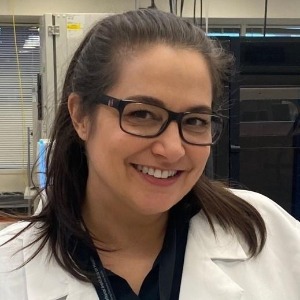
Paige Derr
National Institutes of Health, United States
Fairooza Alam
The Open University, United Kingdom
Katarzyna Gawron
Medical University of Silesia in Katowice, PolandSubmit your abstract Today


Title : The era of artificial intelligence (AI) and its use in regenerative medicine
Vasiliki E Kalodimou, European University-Cyprus Ltd, Cyprus
Title : The role of gingival fibroblasts in periodontal diseases and regeneration
Katarzyna Gawron, Medical University of Silesia in Katowice, Poland
Title : AI-integrated high-throughput tissue-chip for space-based biomanufacturing applications
Kunal Mitra, Florida Tech, United States
Title : Role of textile materials in tissue engineering and regenerative medicine
Gokarneshan Narayanan, SSM College of Engineering (Formerly), India
Title : Induction of neo angiogenesis: A way forward for reversing necrosis in complex wounds in orthopaedic practice
Sandeep Shrivastava, Datta Meghe Institute of Medical Sciences, India
Title : Silk-derived sericin at the interface of atopic dermatitis and wound healing: Modulation of inflammation and epidermal repair
Marek Konop, Medical University of Warsaw, Poland