6th Edition of International Conference on Tissue Engineering and Regenerative Medicine
September 28-30 | London, UK

3D Bioprinting
3D Bioprinting is an innovative technology that combines 3D printing techniques with biological materials to create complex living structures. It involves the layer-by-layer deposition of living cells, biomaterials, and support structures to construct functional tissues and organs. This revolutionary approach holds immense potential for applications in regenerative medicine, tissue engineering, and drug discovery. The process of 3D bioprinting begins with the creation of a digital model or blueprint of the desired tissue or organ. Bioinks, composed of living cells and supportive biomaterials, are then precisely deposited layer by layer to recreate the intricate architecture of natural tissues. Various printing technologies, including inkjet, extrusion, and laser-assisted methods, are employed to achieve accurate and reproducible results. Researchers are exploring 3D bioprinting to address the shortage of donor organs for transplantation. This technology allows for the fabrication of personalized tissues, reducing the risk of rejection and increasing the likelihood of successful transplantation. Additionally, 3D bioprinting serves as a powerful tool for studying diseases, drug testing, and creating in vitro models that closely mimic human physiology. Challenges in 3D bioprinting include optimizing printing parameters, ensuring cell viability, and replicating the complex vascularization necessary for larger tissue structures. Ongoing advancements in materials science, bioengineering, and computer-aided design contribute to the continuous evolution of 3D bioprinting, offering promising solutions for the future of healthcare.

Kunal Mitra
Florida Tech, United States
Patrizia Ferretti
UCL Great Ormond Street Institute of Child Health, United Kingdom
Ivan Kelnar
Institute of Macromolecular Chemistry, Czech Academy of Sciences, Czech Republic
Aradhana Kasimsetty
National Center for Advancing Translational Sciences (NCATS), National Institutes of Health (NIH), United States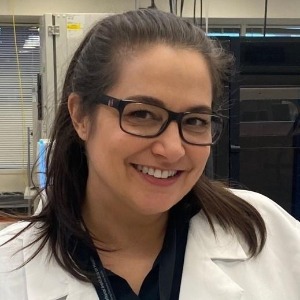
Paige Derr
National Institutes of Health, United States
Fairooza Alam
The Open University, United Kingdom
Katarzyna Gawron
Medical University of Silesia in Katowice, PolandSubmit your abstract Today


Title : The era of artificial intelligence (AI) and its use in regenerative medicine
Vasiliki E Kalodimou, European University-Cyprus Ltd, Cyprus
Title : The role of gingival fibroblasts in periodontal diseases and regeneration
Katarzyna Gawron, Medical University of Silesia in Katowice, Poland
Title : AI-integrated high-throughput tissue-chip for space-based biomanufacturing applications
Kunal Mitra, Florida Tech, United States
Title : Role of textile materials in tissue engineering and regenerative medicine
Gokarneshan Narayanan, SSM College of Engineering (Formerly), India
Title : Induction of neo angiogenesis: A way forward for reversing necrosis in complex wounds in orthopaedic practice
Sandeep Shrivastava, Datta Meghe Institute of Medical Sciences, India
Title : Silk-derived sericin at the interface of atopic dermatitis and wound healing: Modulation of inflammation and epidermal repair
Marek Konop, Medical University of Warsaw, Poland