6th Edition of International Conference on Tissue Engineering and Regenerative Medicine
September 28-30 | London, UK

Cancer Biomarkers
Cancer Biomarkers are measurable indicators or molecules that are associated with the presence, progression, or characteristics of cancer. These biomarkers can be detected in various biological substances, such as blood, urine, tissue, or other bodily fluids, providing valuable information for cancer diagnosis, prognosis, and treatment. Some common types of cancer biomarkers include proteins, genes, enzymes, hormones, and specific cellular structures. The detection and analysis of these biomarkers enable healthcare professionals to identify the type of cancer, assess its stage, and predict its behavior. Cancer biomarkers serve multiple purposes, including screening and early detection, monitoring treatment response, and predicting the likelihood of recurrence. They play a crucial role in personalized medicine, helping to tailor treatment plans to individual patients based on the molecular characteristics of their cancer. Advancements in molecular biology and technology have led to the discovery of numerous cancer biomarkers, such as HER2 in breast cancer or PSA in prostate cancer. Biomarker-based tests and assays have become integral components of cancer diagnostics, aiding in the selection of appropriate therapies and improving patient outcomes. Research continues to explore novel cancer biomarkers, aiming to enhance the precision and efficiency of cancer diagnosis and treatment. The field of cancer biomarkers is dynamic, contributing to the ongoing evolution of personalized and targeted approaches in cancer care.

Kunal Mitra
Florida Tech, United States
Patrizia Ferretti
UCL Great Ormond Street Institute of Child Health, United Kingdom
Ivan Kelnar
Institute of Macromolecular Chemistry, Czech Academy of Sciences, Czech Republic
Aradhana Kasimsetty
National Center for Advancing Translational Sciences (NCATS), National Institutes of Health (NIH), United States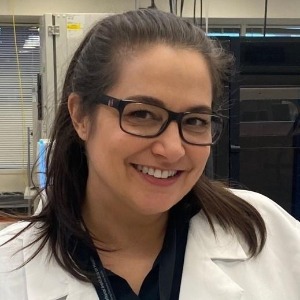
Paige Derr
National Institutes of Health, United States
Fairooza Alam
The Open University, United Kingdom
Katarzyna Gawron
Medical University of Silesia in Katowice, PolandSubmit your abstract Today


Title : The era of artificial intelligence (AI) and its use in regenerative medicine
Vasiliki E Kalodimou, European University-Cyprus Ltd, Cyprus
Title : The role of gingival fibroblasts in periodontal diseases and regeneration
Katarzyna Gawron, Medical University of Silesia in Katowice, Poland
Title : AI-integrated high-throughput tissue-chip for space-based biomanufacturing applications
Kunal Mitra, Florida Tech, United States
Title : Role of textile materials in tissue engineering and regenerative medicine
Gokarneshan Narayanan, SSM College of Engineering (Formerly), India
Title : Induction of neo angiogenesis: A way forward for reversing necrosis in complex wounds in orthopaedic practice
Sandeep Shrivastava, Datta Meghe Institute of Medical Sciences, India
Title : Silk-derived sericin at the interface of atopic dermatitis and wound healing: Modulation of inflammation and epidermal repair
Marek Konop, Medical University of Warsaw, Poland