6th Edition of International Conference on Tissue Engineering and Regenerative Medicine
September 28-30 | London, UK

Cell Signaling Technology
Cell Signaling Technology is a field focused on understanding the complex communication processes that occur within and between cells. It encompasses the intricate molecular pathways through which cells send, receive, and respond to signals, ultimately regulating various physiological functions. Signaling can occur through diverse mechanisms, including autocrine, paracrine, and endocrine signaling, involving the transmission of signals via molecules such as hormones, growth factors, and neurotransmitters. The key players in cell signaling are often proteins, including receptors on the cell surface or within the cell, and intracellular signaling molecules. Advances in cell signaling technology have been driven by innovative techniques such as Western blotting, immunoprecipitation, and mass spectrometry, allowing researchers to identify and characterize signaling molecules. The study of cell signaling has unveiled intricate networks and cascades, emphasizing the importance of crosstalk between different pathways. Dysregulation of cell signaling is implicated in numerous diseases, including cancer, neurodegenerative disorders, and immune-related conditions. Phosphorylation, ubiquitination, and other post-translational modifications are critical aspects of cell signaling regulation. Small molecules and inhibitors targeting specific components of signaling pathways are valuable tools for both research and potential therapeutic interventions. The integration of systems biology approaches and computational modeling has furthered our understanding of the complexity and dynamics of cell signaling networks. In summary, cell signaling technology plays a central role in unraveling the molecular language that governs cellular behavior, offering insights into normal physiology and providing potential avenues for therapeutic development.

Kunal Mitra
Florida Tech, United States
Patrizia Ferretti
UCL Great Ormond Street Institute of Child Health, United Kingdom
Ivan Kelnar
Institute of Macromolecular Chemistry, Czech Academy of Sciences, Czech Republic
Aradhana Kasimsetty
National Center for Advancing Translational Sciences (NCATS), National Institutes of Health (NIH), United States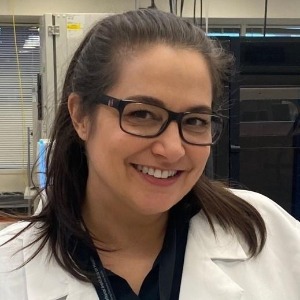
Paige Derr
National Institutes of Health, United States
Fairooza Alam
The Open University, United Kingdom
Katarzyna Gawron
Medical University of Silesia in Katowice, PolandSubmit your abstract Today


Title : The era of artificial intelligence (AI) and its use in regenerative medicine
Vasiliki E Kalodimou, European University-Cyprus Ltd, Cyprus
Title : The role of gingival fibroblasts in periodontal diseases and regeneration
Katarzyna Gawron, Medical University of Silesia in Katowice, Poland
Title : AI-integrated high-throughput tissue-chip for space-based biomanufacturing applications
Kunal Mitra, Florida Tech, United States
Title : Role of textile materials in tissue engineering and regenerative medicine
Gokarneshan Narayanan, SSM College of Engineering (Formerly), India
Title : Induction of neo angiogenesis: A way forward for reversing necrosis in complex wounds in orthopaedic practice
Sandeep Shrivastava, Datta Meghe Institute of Medical Sciences, India
Title : Silk-derived sericin at the interface of atopic dermatitis and wound healing: Modulation of inflammation and epidermal repair
Marek Konop, Medical University of Warsaw, Poland