6th Edition of International Conference on Tissue Engineering and Regenerative Medicine
September 28-30 | London, UK

Cytochemistry
Cytochemistry is a branch of science that focuses on the study of the chemical composition and localization of substances within cells. It involves the application of various staining techniques, dyes, and chemical probes to visualize and identify specific cellular components, such as organelles, proteins, nucleic acids, and lipids. These techniques play a crucial role in understanding cell structure, function, and the distribution of biomolecules. Cytochemical methods often employ light or fluorescence microscopy to observe stained cellular structures, providing valuable insights into cellular organization and dynamics. Common cytochemical stains include hematoxylin and eosin, which highlight cell nuclei and cytoplasm, respectively, allowing for general cell visualization. Fluorescent dyes, such as DAPI or propidium iodide, are employed to selectively stain DNA and aid in nuclear studies. Enzyme cytochemistry involves detecting specific enzymes within cells, providing information about cellular activities and metabolic pathways. Cytochemistry has widespread applications in various scientific disciplines, including cell biology, pathology, and pharmacology. It aids in diagnosing diseases by identifying abnormal cellular structures or biomolecular patterns. Additionally, cytochemistry contributes to research on cellular differentiation, proliferation, and responses to environmental stimuli. As technology advances, novel cytochemical approaches continue to emerge, expanding our ability to explore the intricacies of cellular organization and function. In summary, cytochemistry is a fundamental tool in cell biology, offering valuable methods for visualizing and characterizing cellular components, thereby enhancing our understanding of cellular structure and function.

Kunal Mitra
Florida Tech, United States
Patrizia Ferretti
UCL Great Ormond Street Institute of Child Health, United Kingdom
Ivan Kelnar
Institute of Macromolecular Chemistry, Czech Academy of Sciences, Czech Republic
Aradhana Kasimsetty
National Center for Advancing Translational Sciences (NCATS), National Institutes of Health (NIH), United States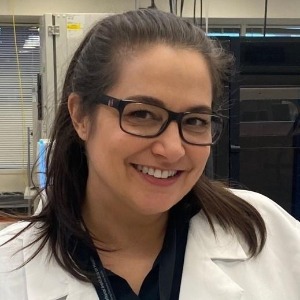
Paige Derr
National Institutes of Health, United States
Fairooza Alam
The Open University, United Kingdom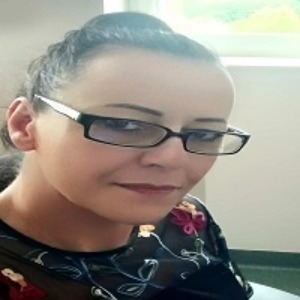
Katarzyna Gawron
Medical University of Silesia in Katowice, PolandSubmit your abstract Today


Title : The era of artificial intelligence (AI) and its use in regenerative medicine
Vasiliki E Kalodimou, European University-Cyprus Ltd, Cyprus
Title : The role of gingival fibroblasts in periodontal diseases and regeneration
Katarzyna Gawron, Medical University of Silesia in Katowice, Poland
Title : AI-integrated high-throughput tissue-chip for space-based biomanufacturing applications
Kunal Mitra, Florida Tech, United States
Title : Role of textile materials in tissue engineering and regenerative medicine
Gokarneshan Narayanan, SSM College of Engineering (Formerly), India
Title : Induction of neo angiogenesis: A way forward for reversing necrosis in complex wounds in orthopaedic practice
Sandeep Shrivastava, Datta Meghe Institute of Medical Sciences, India
Title : Silk-derived sericin at the interface of atopic dermatitis and wound healing: Modulation of inflammation and epidermal repair
Marek Konop, Medical University of Warsaw, Poland