6th Edition of International Conference on Tissue Engineering and Regenerative Medicine
September 28-30 | London, UK

Embryonic Stem Cells
Embryonic Stem Cells (ESCs) are pluripotent cells derived from the inner cell mass of a developing blastocyst during the early stages of embryonic development. Characterized by their remarkable ability to differentiate into any cell type in the body, ESCs hold immense potential for regenerative medicine, developmental biology, and disease modeling. The pluripotency of ESCs allows them to give rise to cells of all three germ layers: endoderm, mesoderm, and ectoderm. This unique feature makes them a valuable resource for studying early developmental processes and understanding the molecular mechanisms governing cell fate decisions. ESCs can be maintained and propagated in culture, providing an in vitro model for investigating cellular differentiation and tissue development. Their capacity for unlimited self-renewal distinguishes them from other cell types, making them a promising source for cell replacement therapies. However, ethical concerns surround the use of ESCs due to the need for embryo destruction during their isolation. Ongoing research aims to unlock the full potential of ESCs in regenerative medicine, seeking ways to harness their pluripotent nature for treating various degenerative diseases and injuries. The field is also exploring alternative approaches, such as induced pluripotent stem cells (iPSCs), which are generated by reprogramming somatic cells into a pluripotent state. In summary, embryonic stem cells represent a powerful tool for scientific inquiry and hold tremendous promise for revolutionizing medical treatments through regenerative and personalized medicine approaches.

Kunal Mitra
Florida Tech, United States
Patrizia Ferretti
UCL Great Ormond Street Institute of Child Health, United Kingdom
Ivan Kelnar
Institute of Macromolecular Chemistry, Czech Academy of Sciences, Czech Republic
Aradhana Kasimsetty
National Center for Advancing Translational Sciences (NCATS), National Institutes of Health (NIH), United States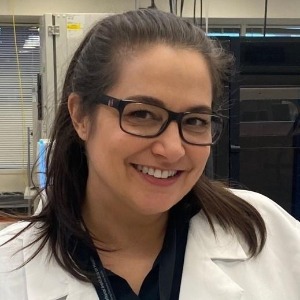
Paige Derr
National Institutes of Health, United States
Fairooza Alam
The Open University, United Kingdom
Katarzyna Gawron
Medical University of Silesia in Katowice, PolandSubmit your abstract Today


Title : The era of artificial intelligence (AI) and its use in regenerative medicine
Vasiliki E Kalodimou, European University-Cyprus Ltd, Cyprus
Title : The role of gingival fibroblasts in periodontal diseases and regeneration
Katarzyna Gawron, Medical University of Silesia in Katowice, Poland
Title : AI-integrated high-throughput tissue-chip for space-based biomanufacturing applications
Kunal Mitra, Florida Tech, United States
Title : Role of textile materials in tissue engineering and regenerative medicine
Gokarneshan Narayanan, SSM College of Engineering (Formerly), India
Title : Induction of neo angiogenesis: A way forward for reversing necrosis in complex wounds in orthopaedic practice
Sandeep Shrivastava, Datta Meghe Institute of Medical Sciences, India
Title : Silk-derived sericin at the interface of atopic dermatitis and wound healing: Modulation of inflammation and epidermal repair
Marek Konop, Medical University of Warsaw, Poland