6th Edition of International Conference on Tissue Engineering and Regenerative Medicine
September 28-30 | London, UK

Enzymatic Biosensors
Enzymatic Biosensors are innovative analytical devices designed to detect and quantify specific substances by leveraging the catalytic activity of enzymes. These biosensors typically consist of a biorecognition element (enzyme), a transducer, and a signal-processing system. Enzymes act as molecular catalysts, facilitating biochemical reactions with high specificity and sensitivity. The transducer converts the enzymatic reaction into a measurable signal, such as an electrical, optical, or electrochemical output. Enzymatic biosensors find widespread application in various fields, including medical diagnostics, environmental monitoring, and food safety. Their specificity allows for the precise detection of target analytes, ranging from glucose and cholesterol in clinical settings to pollutants in environmental samples. The integration of nanotechnology and microfabrication techniques has enhanced the performance and miniaturization of enzymatic biosensors. These devices offer rapid and real-time detection capabilities, making them invaluable for point-of-care diagnostics and continuous monitoring. Challenges in enzymatic biosensor development include stability and immobilization of enzymes, but ongoing research aims to address these issues. The versatility and accuracy of enzymatic biosensors contribute to their increasing importance in advancing diagnostics and monitoring applications across diverse domains.

Kunal Mitra
Florida Tech, United States
Patrizia Ferretti
UCL Great Ormond Street Institute of Child Health, United Kingdom
Ivan Kelnar
Institute of Macromolecular Chemistry, Czech Academy of Sciences, Czech Republic
Aradhana Kasimsetty
National Center for Advancing Translational Sciences (NCATS), National Institutes of Health (NIH), United States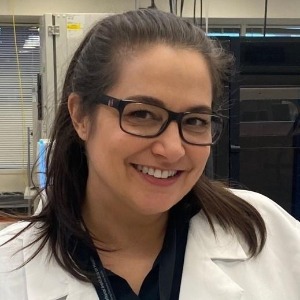
Paige Derr
National Institutes of Health, United States
Fairooza Alam
The Open University, United Kingdom
Katarzyna Gawron
Medical University of Silesia in Katowice, PolandSubmit your abstract Today


Title : The era of artificial intelligence (AI) and its use in regenerative medicine
Vasiliki E Kalodimou, European University-Cyprus Ltd, Cyprus
Title : The role of gingival fibroblasts in periodontal diseases and regeneration
Katarzyna Gawron, Medical University of Silesia in Katowice, Poland
Title : AI-integrated high-throughput tissue-chip for space-based biomanufacturing applications
Kunal Mitra, Florida Tech, United States
Title : Role of textile materials in tissue engineering and regenerative medicine
Gokarneshan Narayanan, SSM College of Engineering (Formerly), India
Title : Induction of neo angiogenesis: A way forward for reversing necrosis in complex wounds in orthopaedic practice
Sandeep Shrivastava, Datta Meghe Institute of Medical Sciences, India
Title : Silk-derived sericin at the interface of atopic dermatitis and wound healing: Modulation of inflammation and epidermal repair
Marek Konop, Medical University of Warsaw, Poland