6th Edition of International Conference on Tissue Engineering and Regenerative Medicine
September 28-30 | London, UK

Epidermis
The Epidermis is the outermost layer of the skin, serving as a protective barrier between the body and the external environment. Comprising multiple layers of cells, the epidermis plays a crucial role in maintaining homeostasis and defending against pathogens. The primary cell type in the epidermis is the keratinocyte, responsible for producing the protein keratin, which imparts strength and resilience to the skin. The epidermis is stratified into distinct layers, including the basal layer, spinous layer, granular layer, and stratum corneum. The basal layer is home to proliferating keratinocytes, while the upper layers consist of more differentiated cells undergoing various stages of maturation. Melanocytes, found in the basal layer, produce the pigment melanin, contributing to skin color and protecting against ultraviolet (UV) radiation. Another essential cell type in the epidermis is the Langerhans cell, part of the immune system and responsible for antigen presentation. The epidermis undergoes constant renewal through a process called keratinization, where older cells move toward the surface and are eventually shed. The outermost layer, the stratum corneum, forms a protective barrier, preventing water loss and shielding against environmental insults. The epidermis is critical in wound healing, with basal cells playing a key role in tissue regeneration. Various skin conditions, such as psoriasis and eczema, are associated with aberrations in epidermal function. UV exposure, aging, and genetic factors can also impact the health and integrity of the epidermis. Ongoing research delves into the molecular mechanisms regulating epidermal development, maintenance, and repair, offering potential avenues for therapeutic interventions in dermatological disorders. Understanding the complexities of the epidermis provides insights into skin health and the intricate interplay between environmental factors and the body's first line of defense.

Kunal Mitra
Florida Tech, United States
Patrizia Ferretti
UCL Great Ormond Street Institute of Child Health, United Kingdom
Ivan Kelnar
Institute of Macromolecular Chemistry, Czech Academy of Sciences, Czech Republic
Aradhana Kasimsetty
National Center for Advancing Translational Sciences (NCATS), National Institutes of Health (NIH), United States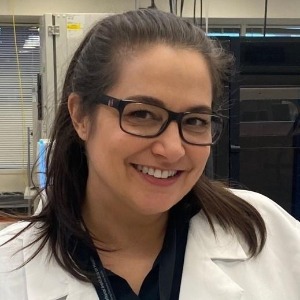
Paige Derr
National Institutes of Health, United States
Fairooza Alam
The Open University, United Kingdom
Katarzyna Gawron
Medical University of Silesia in Katowice, PolandSubmit your abstract Today


Title : The era of artificial intelligence (AI) and its use in regenerative medicine
Vasiliki E Kalodimou, European University-Cyprus Ltd, Cyprus
Title : The role of gingival fibroblasts in periodontal diseases and regeneration
Katarzyna Gawron, Medical University of Silesia in Katowice, Poland
Title : AI-integrated high-throughput tissue-chip for space-based biomanufacturing applications
Kunal Mitra, Florida Tech, United States
Title : Role of textile materials in tissue engineering and regenerative medicine
Gokarneshan Narayanan, SSM College of Engineering (Formerly), India
Title : Induction of neo angiogenesis: A way forward for reversing necrosis in complex wounds in orthopaedic practice
Sandeep Shrivastava, Datta Meghe Institute of Medical Sciences, India
Title : Silk-derived sericin at the interface of atopic dermatitis and wound healing: Modulation of inflammation and epidermal repair
Marek Konop, Medical University of Warsaw, Poland