
6th Edition of International Conference on Tissue Engineering and Regenerative Medicine
September 28-30 | London, UK

Genetic Engineering
Genetic Engineering is a transformative biotechnological discipline that involves the deliberate modification of an organism's genetic material using recombinant DNA technology. This process enables scientists to introduce new genetic traits, modify existing ones, or transfer genes between different species, offering unprecedented opportunities to manipulate the characteristics of organisms for various purposes. One of the primary applications of genetic engineering is the production of genetically modified organisms (GMOs) with desirable traits, such as improved crop yield, resistance to pests or diseases, or enhanced nutritional content. By introducing genes encoding specific traits into the genomes of plants or animals, researchers can develop crops with increased productivity, reduced environmental impact, and improved resilience to changing climate conditions, contributing to global food security and agricultural sustainability. In medicine, genetic engineering holds promise for treating genetic disorders, developing novel therapies, and advancing personalized medicine approaches. Gene therapy, for example, involves delivering therapeutic genes into patient cells to correct genetic defects or modulate disease processes, offering potential treatments for conditions such as cystic fibrosis, hemophilia, and certain types of cancer. Additionally, genetic engineering techniques are used to produce recombinant proteins, such as insulin, human growth hormone, and vaccines, for medical applications.

Kunal Mitra
Florida Tech, United States
Patrizia Ferretti
UCL Great Ormond Street Institute of Child Health, United Kingdom
Ivan Kelnar
Institute of Macromolecular Chemistry, Czech Academy of Sciences, Czech Republic
Aradhana Kasimsetty
National Center for Advancing Translational Sciences (NCATS), National Institutes of Health (NIH), United States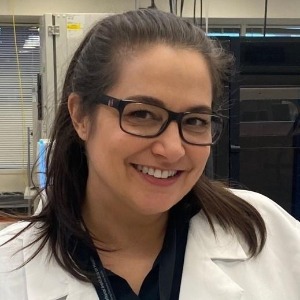
Paige Derr
National Institutes of Health, United States
Fairooza Alam
The Open University, United Kingdom
Katarzyna Gawron
Medical University of Silesia in Katowice, PolandSubmit your abstract Today


Title : The era of artificial intelligence (AI) and its use in regenerative medicine
Vasiliki E Kalodimou, European University-Cyprus Ltd, Cyprus
Title : The role of gingival fibroblasts in periodontal diseases and regeneration
Katarzyna Gawron, Medical University of Silesia in Katowice, Poland
Title : AI-integrated high-throughput tissue-chip for space-based biomanufacturing applications
Kunal Mitra, Florida Tech, United States
Title : Role of textile materials in tissue engineering and regenerative medicine
Gokarneshan Narayanan, SSM College of Engineering (Formerly), India
Title : Induction of neo angiogenesis: A way forward for reversing necrosis in complex wounds in orthopaedic practice
Sandeep Shrivastava, Datta Meghe Institute of Medical Sciences, India
Title : Silk-derived sericin at the interface of atopic dermatitis and wound healing: Modulation of inflammation and epidermal repair
Marek Konop, Medical University of Warsaw, Poland