6th Edition of International Conference on Tissue Engineering and Regenerative Medicine
September 28-30 | London, UK

In Situ Tissue Engineering
In Situ Tissue Engineering is an innovative approach that involves the regeneration or repair of damaged tissues within the body itself, without the need for the removal and external manipulation of tissues. This methodology aims to harness the body's natural regenerative capacities and create a conducive environment for tissue repair at the site of injury or damage. The process typically involves the delivery of scaffolds, growth factors, and/or cells directly to the damaged tissue. Scaffolds provide a structural framework for tissue regeneration, while growth factors stimulate cellular activities such as proliferation and differentiation. Cells, often derived from the patient's own body or other compatible sources, contribute to the formation of new tissue. In situ tissue engineering holds promise for addressing various medical challenges, including injuries to cartilage, bone, and cardiovascular tissues. It eliminates the need for complex surgeries and can accelerate the healing process while minimizing the risk of complications associated with traditional tissue engineering approaches. Research in this field focuses on optimizing the biomaterials, cell sources, and signaling factors used in in situ tissue engineering. Tailoring these components to specific tissues and understanding the complex interplay of biological processes at the injury site are critical for advancing this regenerative approach. In situ tissue engineering represents a paradigm shift in regenerative medicine, offering potential solutions for tissue repair that are less invasive, more patient-specific, and have broad applications across diverse medical specialties. The evolving landscape of in situ tissue engineering continues to inspire advancements in regenerative medicine and holds significant potential for transforming the future of clinical interventions.

Kunal Mitra
Florida Tech, United States
Patrizia Ferretti
UCL Great Ormond Street Institute of Child Health, United Kingdom
Ivan Kelnar
Institute of Macromolecular Chemistry, Czech Academy of Sciences, Czech Republic
Aradhana Kasimsetty
National Center for Advancing Translational Sciences (NCATS), National Institutes of Health (NIH), United States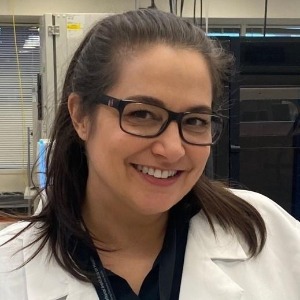
Paige Derr
National Institutes of Health, United States
Fairooza Alam
The Open University, United Kingdom
Katarzyna Gawron
Medical University of Silesia in Katowice, PolandSubmit your abstract Today


Title : The era of artificial intelligence (AI) and its use in regenerative medicine
Vasiliki E Kalodimou, European University-Cyprus Ltd, Cyprus
Title : The role of gingival fibroblasts in periodontal diseases and regeneration
Katarzyna Gawron, Medical University of Silesia in Katowice, Poland
Title : AI-integrated high-throughput tissue-chip for space-based biomanufacturing applications
Kunal Mitra, Florida Tech, United States
Title : Role of textile materials in tissue engineering and regenerative medicine
Gokarneshan Narayanan, SSM College of Engineering (Formerly), India
Title : Induction of neo angiogenesis: A way forward for reversing necrosis in complex wounds in orthopaedic practice
Sandeep Shrivastava, Datta Meghe Institute of Medical Sciences, India
Title : Silk-derived sericin at the interface of atopic dermatitis and wound healing: Modulation of inflammation and epidermal repair
Marek Konop, Medical University of Warsaw, Poland