6th Edition of International Conference on Tissue Engineering and Regenerative Medicine
September 28-30 | London, UK

Microfold Cells
Microfold Cells, abbreviated as M cells, are specialized epithelial cells found in the mucosa-associated lymphoid tissues (MALT) of the gastrointestinal tract. These cells play a pivotal role in the immune system by facilitating the transport of antigens and pathogens from the gut lumen to underlying immune cells. M cells possess a unique morphology characterized by a reduced microvilli-covered surface compared to neighboring enterocytes. The primary function of M cells is to sample luminal contents, including bacteria, viruses, and other particles, and present them to immune cells in Peyer's patches and other mucosa-associated lymphoid structures. This process helps initiate immune responses and the development of mucosal immunity. Exploiting M cells is of interest in drug delivery and vaccination strategies. Nanoparticles or antigens can be targeted to M cells to enhance their uptake and subsequent immune response activation. Understanding the molecular and cellular mechanisms governing M cell function is crucial for developing effective mucosal vaccines and therapies for infectious diseases. Research on M cells has revealed their involvement in various intestinal infections, inflammatory bowel diseases, and interactions with commensal microbiota. Ongoing studies continue to unravel the complexities of M cell biology, providing insights into mucosal immunology and potential therapeutic strategies for mucosal-related disorders.

Kunal Mitra
Florida Tech, United States
Patrizia Ferretti
UCL Great Ormond Street Institute of Child Health, United Kingdom
Ivan Kelnar
Institute of Macromolecular Chemistry, Czech Academy of Sciences, Czech Republic
Aradhana Kasimsetty
National Center for Advancing Translational Sciences (NCATS), National Institutes of Health (NIH), United States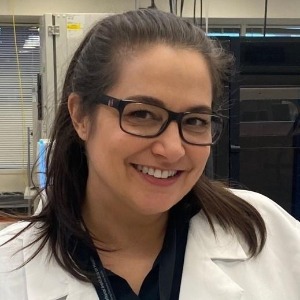
Paige Derr
National Institutes of Health, United States
Fairooza Alam
The Open University, United Kingdom
Katarzyna Gawron
Medical University of Silesia in Katowice, PolandSubmit your abstract Today


Title : The era of artificial intelligence (AI) and its use in regenerative medicine
Vasiliki E Kalodimou, European University-Cyprus Ltd, Cyprus
Title : The role of gingival fibroblasts in periodontal diseases and regeneration
Katarzyna Gawron, Medical University of Silesia in Katowice, Poland
Title : AI-integrated high-throughput tissue-chip for space-based biomanufacturing applications
Kunal Mitra, Florida Tech, United States
Title : Role of textile materials in tissue engineering and regenerative medicine
Gokarneshan Narayanan, SSM College of Engineering (Formerly), India
Title : Induction of neo angiogenesis: A way forward for reversing necrosis in complex wounds in orthopaedic practice
Sandeep Shrivastava, Datta Meghe Institute of Medical Sciences, India
Title : Silk-derived sericin at the interface of atopic dermatitis and wound healing: Modulation of inflammation and epidermal repair
Marek Konop, Medical University of Warsaw, Poland