6th Edition of International Conference on Tissue Engineering and Regenerative Medicine
September 28-30 | London, UK

Muscle Regeneration
Muscle Regeneration is a complex and highly orchestrated biological process that occurs in response to injury, damage, or degeneration of muscle tissue. This regenerative capacity is vital for maintaining muscle function, repairing injuries, and adapting to physiological demands. The primary cellular players involved in muscle regeneration are satellite cells, which are resident stem cells located between the muscle fiber membrane and the basal lamina. Upon muscle injury, satellite cells are activated and undergo proliferation, giving rise to myoblasts. These myoblasts subsequently differentiate into myocytes, which fuse to form new or repair existing muscle fibers. The regenerative process also involves the recruitment of immune cells, such as macrophages, to clear debris and promote tissue repair. The success of muscle regeneration relies on the delicate balance between inflammation, tissue repair, and scar formation. Disruptions in this process can lead to impaired regeneration, fibrosis, or the formation of non-functional tissue. Factors influencing muscle regeneration include growth factors, cytokines, and mechanical stimuli. Physical activity, particularly resistance exercise, has been shown to enhance muscle regeneration by stimulating satellite cell activation and promoting the fusion of new myofibers. Understanding the molecular and cellular mechanisms of muscle regeneration is crucial for developing therapies for muscle-related disorders, such as muscular dystrophies or age-related muscle wasting. Ongoing research seeks to uncover novel therapeutic targets and interventions to enhance the efficiency of muscle regeneration and improve overall muscle health.

Kunal Mitra
Florida Tech, United States
Patrizia Ferretti
UCL Great Ormond Street Institute of Child Health, United Kingdom
Ivan Kelnar
Institute of Macromolecular Chemistry, Czech Academy of Sciences, Czech Republic
Aradhana Kasimsetty
National Center for Advancing Translational Sciences (NCATS), National Institutes of Health (NIH), United States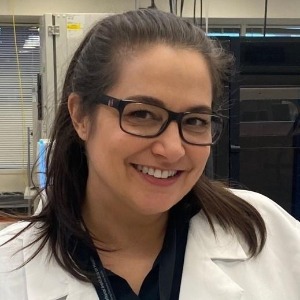
Paige Derr
National Institutes of Health, United States
Fairooza Alam
The Open University, United Kingdom
Katarzyna Gawron
Medical University of Silesia in Katowice, PolandSubmit your abstract Today


Title : The era of artificial intelligence (AI) and its use in regenerative medicine
Vasiliki E Kalodimou, European University-Cyprus Ltd, Cyprus
Title : The role of gingival fibroblasts in periodontal diseases and regeneration
Katarzyna Gawron, Medical University of Silesia in Katowice, Poland
Title : AI-integrated high-throughput tissue-chip for space-based biomanufacturing applications
Kunal Mitra, Florida Tech, United States
Title : Role of textile materials in tissue engineering and regenerative medicine
Gokarneshan Narayanan, SSM College of Engineering (Formerly), India
Title : Induction of neo angiogenesis: A way forward for reversing necrosis in complex wounds in orthopaedic practice
Sandeep Shrivastava, Datta Meghe Institute of Medical Sciences, India
Title : Silk-derived sericin at the interface of atopic dermatitis and wound healing: Modulation of inflammation and epidermal repair
Marek Konop, Medical University of Warsaw, Poland