6th Edition of International Conference on Tissue Engineering and Regenerative Medicine
September 28-30 | London, UK

Myosatellite Cells
Myosatellite Cells, also known as satellite cells, are crucial players in muscle regeneration and repair. These cells are a type of muscle stem cell located in close association with muscle fibers, residing between the basal lamina and the sarcolemma. Myosatellite cells remain in a quiescent state under normal physiological conditions but become activated in response to muscle injury, exercise, or other stimuli. Upon activation, myosatellite cells undergo proliferation, giving rise to myoblasts. Myoblasts then differentiate and fuse to form new muscle fibers or contribute to the repair of damaged ones. This regenerative capacity is essential for maintaining muscle integrity and function. Myosatellite cells express specific markers such as Pax7, distinguishing them from mature muscle fibers. Understanding the molecular regulation of myosatellite cell activation and differentiation is critical for unraveling the complexities of muscle regeneration. In conditions like muscular dystrophy or injuries that cause significant muscle damage, myosatellite cells play a central role in attempts to restore muscle tissue. Therapeutic strategies for muscle-related disorders often involve targeting and manipulating the function of myosatellite cells. Ongoing research aims to deepen our understanding of myosatellite cell biology, including their role in muscle development, regeneration, and the influence of the surrounding microenvironment. Such knowledge holds potential for developing innovative approaches to enhance muscle repair and treat various muscle-related conditions.

Kunal Mitra
Florida Tech, United States
Patrizia Ferretti
UCL Great Ormond Street Institute of Child Health, United Kingdom
Ivan Kelnar
Institute of Macromolecular Chemistry, Czech Academy of Sciences, Czech Republic
Aradhana Kasimsetty
National Center for Advancing Translational Sciences (NCATS), National Institutes of Health (NIH), United States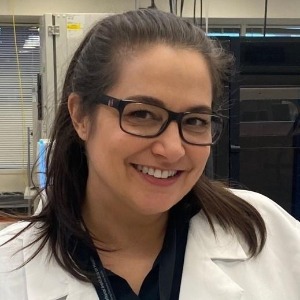
Paige Derr
National Institutes of Health, United States
Fairooza Alam
The Open University, United Kingdom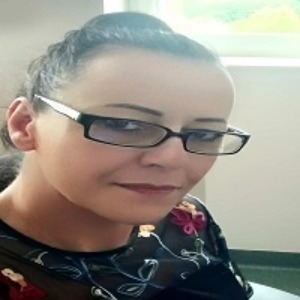
Katarzyna Gawron
Medical University of Silesia in Katowice, PolandSubmit your abstract Today


Title : The era of artificial intelligence (AI) and its use in regenerative medicine
Vasiliki E Kalodimou, European University-Cyprus Ltd, Cyprus
Title : The role of gingival fibroblasts in periodontal diseases and regeneration
Katarzyna Gawron, Medical University of Silesia in Katowice, Poland
Title : AI-integrated high-throughput tissue-chip for space-based biomanufacturing applications
Kunal Mitra, Florida Tech, United States
Title : Role of textile materials in tissue engineering and regenerative medicine
Gokarneshan Narayanan, SSM College of Engineering (Formerly), India
Title : Induction of neo angiogenesis: A way forward for reversing necrosis in complex wounds in orthopaedic practice
Sandeep Shrivastava, Datta Meghe Institute of Medical Sciences, India
Title : Silk-derived sericin at the interface of atopic dermatitis and wound healing: Modulation of inflammation and epidermal repair
Marek Konop, Medical University of Warsaw, Poland