6th Edition of International Conference on Tissue Engineering and Regenerative Medicine
September 28-30 | London, UK

Nucleoli
Nucleoli are distinct, membrane-less structures found within the nucleus of eukaryotic cells. Composed primarily of ribosomal RNA (rRNA) and proteins, nucleoli serve as crucial centers for the synthesis and assembly of ribosomal subunits—the cellular machinery responsible for protein synthesis. The nucleolus undergoes dynamic changes during the cell cycle, with distinct phases such as nucleolar assembly, activity, and disassembly. Ribosomal genes are transcribed within the nucleolus, and the resulting precursor rRNA undergoes processing, modification, and assembly into functional ribosomal subunits. In addition to their role in ribosome biogenesis, nucleoli contribute to various cellular functions. They participate in the regulation of cell cycle progression, cellular stress responses, and the sequestration of certain proteins involved in cell growth and proliferation. Changes in nucleolar structure and function are associated with cellular stress, aging, and diseases such as cancer. Alterations in nucleolar size or morphology can be indicative of underlying cellular abnormalities, making nucleoli important indicators in diagnostic pathology. Research on nucleoli spans molecular biology, cell biology, and genetics. Advances in imaging technologies and molecular techniques have provided deeper insights into nucleolar structure and function, revealing their intricate roles in cellular homeostasis and disease. Understanding nucleolar biology continues to be essential for unraveling the complexities of cellular processes and developing therapeutic strategies targeting diseases associated with nucleolar dysfunction.

Kunal Mitra
Florida Tech, United States
Patrizia Ferretti
UCL Great Ormond Street Institute of Child Health, United Kingdom
Ivan Kelnar
Institute of Macromolecular Chemistry, Czech Academy of Sciences, Czech Republic
Aradhana Kasimsetty
National Center for Advancing Translational Sciences (NCATS), National Institutes of Health (NIH), United States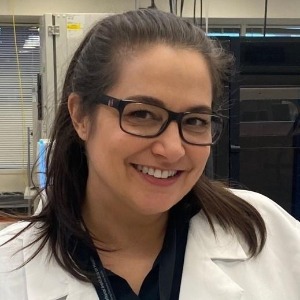
Paige Derr
National Institutes of Health, United States
Fairooza Alam
The Open University, United Kingdom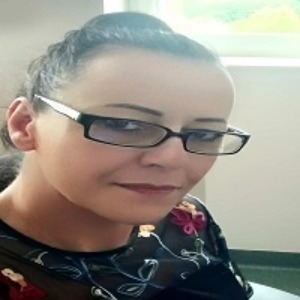
Katarzyna Gawron
Medical University of Silesia in Katowice, PolandSubmit your abstract Today


Title : The era of artificial intelligence (AI) and its use in regenerative medicine
Vasiliki E Kalodimou, European University-Cyprus Ltd, Cyprus
Title : The role of gingival fibroblasts in periodontal diseases and regeneration
Katarzyna Gawron, Medical University of Silesia in Katowice, Poland
Title : AI-integrated high-throughput tissue-chip for space-based biomanufacturing applications
Kunal Mitra, Florida Tech, United States
Title : Role of textile materials in tissue engineering and regenerative medicine
Gokarneshan Narayanan, SSM College of Engineering (Formerly), India
Title : Induction of neo angiogenesis: A way forward for reversing necrosis in complex wounds in orthopaedic practice
Sandeep Shrivastava, Datta Meghe Institute of Medical Sciences, India
Title : Silk-derived sericin at the interface of atopic dermatitis and wound healing: Modulation of inflammation and epidermal repair
Marek Konop, Medical University of Warsaw, Poland