6th Edition of International Conference on Tissue Engineering and Regenerative Medicine
September 28-30 | London, UK

Osteocytes
Osteocytes are mature, fully embedded bone cells that constitute the most abundant cell type in mature bone tissue. Derived from osteoblasts, osteocytes play a crucial role in maintaining bone health and functionality. Once osteoblasts become surrounded by the mineralized matrix they produce, they undergo a process called osteocytogenesis and transform into osteocytes. These cells are characterized by their dendritic morphology, with long, branching extensions that occupy tiny channels known as canaliculi within the bone. Osteocytes are vital for orchestrating bone remodeling and homeostasis. They sense mechanical forces and strains exerted on the bone and respond by regulating the activity of both osteoblasts and osteoclasts. Through these mechanosensory functions, osteocytes contribute to the adaptation of bone to changes in load and provide essential feedback for maintaining structural integrity. These cells are also involved in mineral metabolism, playing a role in calcium and phosphate homeostasis within the bone. Osteocytes communicate with neighboring cells through gap junctions, allowing them to exchange signaling molecules and coordinate responses to various stimuli. They express specific proteins, like sclerostin, which modulate bone formation by inhibiting the activity of osteoblasts. Research on osteocytes is critical for understanding bone biology and the mechanisms underlying skeletal health. Disruptions in osteocyte function can contribute to bone disorders such as osteoporosis. Consequently, investigating the signaling pathways and communication networks of osteocytes holds promise for developing therapeutic interventions to improve bone strength, prevent fractures, and enhance overall musculoskeletal health.

Kunal Mitra
Florida Tech, United States
Patrizia Ferretti
UCL Great Ormond Street Institute of Child Health, United Kingdom
Ivan Kelnar
Institute of Macromolecular Chemistry, Czech Academy of Sciences, Czech Republic
Aradhana Kasimsetty
National Center for Advancing Translational Sciences (NCATS), National Institutes of Health (NIH), United States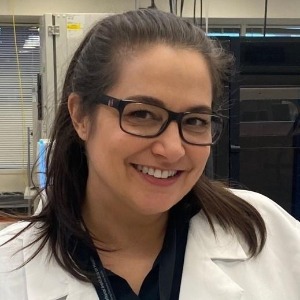
Paige Derr
National Institutes of Health, United States
Fairooza Alam
The Open University, United Kingdom
Katarzyna Gawron
Medical University of Silesia in Katowice, PolandSubmit your abstract Today


Title : The era of artificial intelligence (AI) and its use in regenerative medicine
Vasiliki E Kalodimou, European University-Cyprus Ltd, Cyprus
Title : The role of gingival fibroblasts in periodontal diseases and regeneration
Katarzyna Gawron, Medical University of Silesia in Katowice, Poland
Title : AI-integrated high-throughput tissue-chip for space-based biomanufacturing applications
Kunal Mitra, Florida Tech, United States
Title : Role of textile materials in tissue engineering and regenerative medicine
Gokarneshan Narayanan, SSM College of Engineering (Formerly), India
Title : Induction of neo angiogenesis: A way forward for reversing necrosis in complex wounds in orthopaedic practice
Sandeep Shrivastava, Datta Meghe Institute of Medical Sciences, India
Title : Silk-derived sericin at the interface of atopic dermatitis and wound healing: Modulation of inflammation and epidermal repair
Marek Konop, Medical University of Warsaw, Poland