6th Edition of International Conference on Tissue Engineering and Regenerative Medicine
September 28-30 | London, UK

Osteogenesis Imperfecta
Osteogenesis Imperfecta (OI), often referred to as brittle bone disease, is a rare genetic disorder characterized by a marked susceptibility to fractures and bone deformities. Caused by mutations in the genes responsible for collagen production, particularly the COL1A1 and COL1A2 genes, OI results in the synthesis of abnormal or insufficient collagen—the main protein component of bone. This leads to structural weaknesses in the bone matrix, making bones fragile and prone to fractures even with minimal trauma. The severity of OI varies widely, with individuals experiencing different degrees of bone fragility and susceptibility to fractures. In addition to skeletal manifestations, OI can affect other connective tissues, leading to features like blue sclerae, hearing loss, dental abnormalities, and joint hypermobility. The classification of OI types ranges from mild to severe, depending on the specific genetic mutations and resulting collagen abnormalities. Management of OI involves a multidisciplinary approach, including physical therapy, orthopedic interventions, and medications to improve bone density. Bisphosphonates, for example, may be prescribed to enhance bone strength and reduce fracture risk. Research into emerging therapies, such as gene therapy and new pharmacological approaches, offers hope for improved treatments in the future. Living with OI presents challenges, but ongoing advancements in understanding the genetic and molecular basis of the disorder provide opportunities for better management and intervention strategies. Supportive care, early intervention, and a comprehensive healthcare approach contribute to enhancing the quality of life for individuals affected by Osteogenesis Imperfecta.

Kunal Mitra
Florida Tech, United States
Patrizia Ferretti
UCL Great Ormond Street Institute of Child Health, United Kingdom
Ivan Kelnar
Institute of Macromolecular Chemistry, Czech Academy of Sciences, Czech Republic
Aradhana Kasimsetty
National Center for Advancing Translational Sciences (NCATS), National Institutes of Health (NIH), United States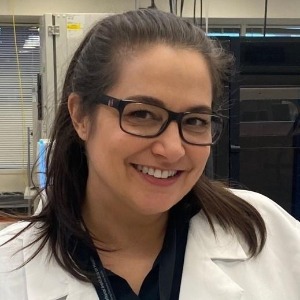
Paige Derr
National Institutes of Health, United States
Fairooza Alam
The Open University, United Kingdom
Katarzyna Gawron
Medical University of Silesia in Katowice, PolandSubmit your abstract Today


Title : The era of artificial intelligence (AI) and its use in regenerative medicine
Vasiliki E Kalodimou, European University-Cyprus Ltd, Cyprus
Title : The role of gingival fibroblasts in periodontal diseases and regeneration
Katarzyna Gawron, Medical University of Silesia in Katowice, Poland
Title : AI-integrated high-throughput tissue-chip for space-based biomanufacturing applications
Kunal Mitra, Florida Tech, United States
Title : Role of textile materials in tissue engineering and regenerative medicine
Gokarneshan Narayanan, SSM College of Engineering (Formerly), India
Title : Induction of neo angiogenesis: A way forward for reversing necrosis in complex wounds in orthopaedic practice
Sandeep Shrivastava, Datta Meghe Institute of Medical Sciences, India
Title : Silk-derived sericin at the interface of atopic dermatitis and wound healing: Modulation of inflammation and epidermal repair
Marek Konop, Medical University of Warsaw, Poland