6th Edition of International Conference on Tissue Engineering and Regenerative Medicine
September 28-30 | London, UK

Pancreas Regeneration
Pancreas Regeneration refers to the ability of the pancreas to repair and replace damaged or lost cells, with the ultimate goal of restoring its structure and function. The pancreas is a vital organ involved in both endocrine and exocrine functions, producing hormones like insulin and enzymes for digestion. Understanding and harnessing the regenerative capacity of the pancreas has significant implications for treating conditions such as diabetes and pancreatitis. In healthy individuals, the pancreas undergoes continuous turnover and regeneration to maintain tissue homeostasis. This process involves the proliferation and differentiation of various cell types, including beta cells responsible for insulin production and acinar cells responsible for enzyme secretion. However, the regenerative capacity of the pancreas is limited, and certain injuries or diseases can impair its ability to recover fully. Research in pancreas regeneration focuses on identifying the cellular mechanisms and signaling pathways involved in tissue repair. Stem cells, both within the pancreas and from other sources, are a key focus of investigation. The differentiation of stem cells into insulin-producing beta cells holds promise for replenishing the pancreatic cell population in conditions like type 1 diabetes, where beta cell destruction occurs. Various factors influence pancreas regeneration, including growth factors, cytokines, and the extracellular matrix. In experimental settings, researchers explore the potential of manipulating these factors to enhance pancreatic regeneration and improve outcomes in disease settings. Islet transplantation, a form of cell therapy, represents another avenue for promoting pancreas regeneration. By transplanting insulin-producing islets into the pancreas, researchers aim to restore normal glucose regulation in individuals with diabetes. Advances in cell engineering and transplantation techniques contribute to the ongoing efforts to optimize islet transplantation as a regenerative therapy. While significant progress has been made, challenges remain in fully unlocking the regenerative potential of the pancreas. Balancing the regeneration of different cell types, preventing immune rejection in transplantation, and addressing the complexity of diabetes are among the ongoing research priorities. Successful pancreas regeneration strategies hold the promise of transformative treatments for diabetes and other pancreatic disorders.
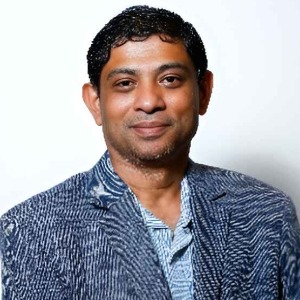
Kunal Mitra
Florida Tech, United States
Patrizia Ferretti
UCL Great Ormond Street Institute of Child Health, United Kingdom
Ivan Kelnar
Institute of Macromolecular Chemistry, Czech Academy of Sciences, Czech Republic
Aradhana Kasimsetty
National Center for Advancing Translational Sciences (NCATS), National Institutes of Health (NIH), United States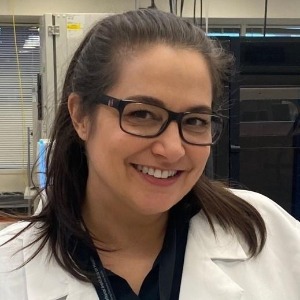
Paige Derr
National Institutes of Health, United States
Fairooza Alam
The Open University, United Kingdom
Katarzyna Gawron
Medical University of Silesia in Katowice, PolandSubmit your abstract Today


Title : The era of artificial intelligence (AI) and its use in regenerative medicine
Vasiliki E Kalodimou, European University-Cyprus Ltd, Cyprus
Title : The role of gingival fibroblasts in periodontal diseases and regeneration
Katarzyna Gawron, Medical University of Silesia in Katowice, Poland
Title : AI-integrated high-throughput tissue-chip for space-based biomanufacturing applications
Kunal Mitra, Florida Tech, United States
Title : Role of textile materials in tissue engineering and regenerative medicine
Gokarneshan Narayanan, SSM College of Engineering (Formerly), India
Title : Induction of neo angiogenesis: A way forward for reversing necrosis in complex wounds in orthopaedic practice
Sandeep Shrivastava, Datta Meghe Institute of Medical Sciences, India
Title : Silk-derived sericin at the interface of atopic dermatitis and wound healing: Modulation of inflammation and epidermal repair
Marek Konop, Medical University of Warsaw, Poland