6th Edition of International Conference on Tissue Engineering and Regenerative Medicine
September 28-30 | London, UK

Regulatory T Cells
Regulatory T Cells (Tregs) are a specialized subset of T lymphocytes crucial for maintaining immune system balance and preventing excessive immune responses. Identified by the expression of the transcription factor Foxp3, Tregs play a pivotal role in immune tolerance and the prevention of autoimmune diseases. These cells suppress the activity of other immune cells, such as effector T cells, B cells, and antigen-presenting cells, to avoid unwarranted immune reactions against self-antigens. Tregs exert their suppressive function through various mechanisms, including the secretion of immunosuppressive cytokines like interleukin-10 (IL-10) and transforming growth factor-beta (TGF-β). Dysregulation or dysfunction of Tregs can lead to autoimmune disorders, allergies, and inflammatory diseases. Conversely, harnessing the immunosuppressive properties of Tregs is explored in therapeutic approaches to control immune responses, such as in transplantation and autoimmune disease treatments. Understanding the intricate mechanisms that govern the functions of regulatory T cells is vital for advancing immunotherapy strategies, aiming to modulate immune responses for therapeutic benefits while preserving immune homeostasis. Ongoing research continues to unravel the complexities of Treg biology, offering potential insights into novel treatments for immune-related disorders.

Kunal Mitra
Florida Tech, United States
Patrizia Ferretti
UCL Great Ormond Street Institute of Child Health, United Kingdom
Ivan Kelnar
Institute of Macromolecular Chemistry, Czech Academy of Sciences, Czech Republic
Aradhana Kasimsetty
National Center for Advancing Translational Sciences (NCATS), National Institutes of Health (NIH), United States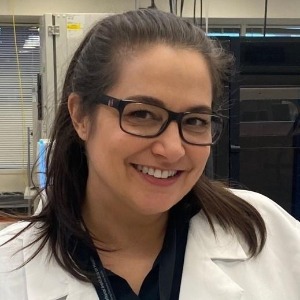
Paige Derr
National Institutes of Health, United States
Fairooza Alam
The Open University, United Kingdom
Katarzyna Gawron
Medical University of Silesia in Katowice, PolandSubmit your abstract Today


Title : The era of artificial intelligence (AI) and its use in regenerative medicine
Vasiliki E Kalodimou, European University-Cyprus Ltd, Cyprus
Title : The role of gingival fibroblasts in periodontal diseases and regeneration
Katarzyna Gawron, Medical University of Silesia in Katowice, Poland
Title : AI-integrated high-throughput tissue-chip for space-based biomanufacturing applications
Kunal Mitra, Florida Tech, United States
Title : Role of textile materials in tissue engineering and regenerative medicine
Gokarneshan Narayanan, SSM College of Engineering (Formerly), India
Title : Induction of neo angiogenesis: A way forward for reversing necrosis in complex wounds in orthopaedic practice
Sandeep Shrivastava, Datta Meghe Institute of Medical Sciences, India
Title : Silk-derived sericin at the interface of atopic dermatitis and wound healing: Modulation of inflammation and epidermal repair
Marek Konop, Medical University of Warsaw, Poland