6th Edition of International Conference on Tissue Engineering and Regenerative Medicine
September 28-30 | London, UK

Scaffold Design
Scaffold Design is a critical aspect of tissue engineering, aiming to create three-dimensional structures that mimic the extracellular matrix and provide a supportive environment for cell growth and tissue regeneration. The choice of materials and the scaffold's physical and chemical properties play a pivotal role in determining its success. Researchers utilize a variety of biomaterials, including synthetic polymers, natural polymers, and composite materials, each with unique characteristics affecting cell behavior. The design must balance factors such as biocompatibility, biodegradability, mechanical strength, and porosity to facilitate optimal cell attachment, proliferation, and differentiation. Scaffold architecture is equally crucial, with considerations for pore size, interconnectivity, and surface topography influencing cell migration and nutrient diffusion. Advanced fabrication techniques, such as 3D printing, electrospinning, and microfabrication, allow for precise control over scaffold geometry, enabling the recreation of intricate tissue structures. Additionally, incorporating bioactive molecules, growth factors, or nanomaterials into the scaffold enhances its functionality, guiding specific cellular responses. Tailoring scaffold designs to match the target tissue's mechanical and biochemical properties is essential for successful integration and functionality. Biomimicry, or replicating the native tissue microenvironment, is a guiding principle in scaffold design, aiming to create structures that closely resemble the natural tissue and promote optimal regeneration. Continuous advancements in scaffold design contribute to the evolving landscape of regenerative medicine, offering promising solutions for tissue repair and replacement in various clinical applications.

Kunal Mitra
Florida Tech, United States
Patrizia Ferretti
UCL Great Ormond Street Institute of Child Health, United Kingdom
Ivan Kelnar
Institute of Macromolecular Chemistry, Czech Academy of Sciences, Czech Republic
Aradhana Kasimsetty
National Center for Advancing Translational Sciences (NCATS), National Institutes of Health (NIH), United States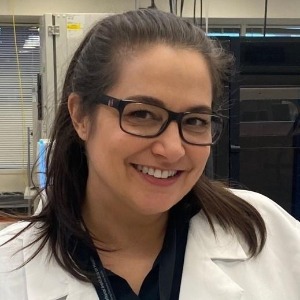
Paige Derr
National Institutes of Health, United States
Fairooza Alam
The Open University, United Kingdom
Katarzyna Gawron
Medical University of Silesia in Katowice, PolandSubmit your abstract Today


Title : The era of artificial intelligence (AI) and its use in regenerative medicine
Vasiliki E Kalodimou, European University-Cyprus Ltd, Cyprus
Title : The role of gingival fibroblasts in periodontal diseases and regeneration
Katarzyna Gawron, Medical University of Silesia in Katowice, Poland
Title : AI-integrated high-throughput tissue-chip for space-based biomanufacturing applications
Kunal Mitra, Florida Tech, United States
Title : Role of textile materials in tissue engineering and regenerative medicine
Gokarneshan Narayanan, SSM College of Engineering (Formerly), India
Title : Induction of neo angiogenesis: A way forward for reversing necrosis in complex wounds in orthopaedic practice
Sandeep Shrivastava, Datta Meghe Institute of Medical Sciences, India
Title : Silk-derived sericin at the interface of atopic dermatitis and wound healing: Modulation of inflammation and epidermal repair
Marek Konop, Medical University of Warsaw, Poland