6th Edition of International Conference on Tissue Engineering and Regenerative Medicine
September 28-30 | London, UK

Sebaceous Gland Cells
Sebaceous Gland Cells are integral components of the skin's appendages, specifically responsible for producing sebum, an oily substance that lubricates and waterproofs the skin and hair. These glands are most prevalent in areas with a high concentration of hair follicles, such as the face, scalp, and upper back. Sebum, composed of lipids, wax esters, and triglycerides, serves various functions, including preventing dehydration of the skin, maintaining flexibility, and creating a protective barrier against environmental factors. Sebaceous gland cells undergo holocrine secretion, a unique process where the entire cell disintegrates to release its contents, namely sebum, into the hair follicle. The secretion is regulated by hormonal signals, particularly androgens such as testosterone, which stimulate sebaceous gland activity. Consequently, changes in hormone levels, especially during adolescence, can lead to increased sebum production, contributing to conditions like acne. Despite their association with skin disorders, sebaceous gland cells play a crucial role in maintaining skin health. The lipid-rich sebum not only moisturizes the skin but also possesses antimicrobial properties, contributing to the body's defense against pathogens. Understanding the physiology of sebaceous glands is vital for addressing dermatological conditions and developing skincare strategies that balance sebum production without compromising skin integrity. Ongoing research in this area explores the intricate regulation of sebaceous gland function and its implications for skin health and disease.

Kunal Mitra
Florida Tech, United States
Patrizia Ferretti
UCL Great Ormond Street Institute of Child Health, United Kingdom
Ivan Kelnar
Institute of Macromolecular Chemistry, Czech Academy of Sciences, Czech Republic
Aradhana Kasimsetty
National Center for Advancing Translational Sciences (NCATS), National Institutes of Health (NIH), United States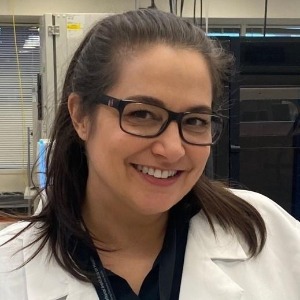
Paige Derr
National Institutes of Health, United States
Fairooza Alam
The Open University, United Kingdom
Katarzyna Gawron
Medical University of Silesia in Katowice, PolandSubmit your abstract Today


Title : The era of artificial intelligence (AI) and its use in regenerative medicine
Vasiliki E Kalodimou, European University-Cyprus Ltd, Cyprus
Title : The role of gingival fibroblasts in periodontal diseases and regeneration
Katarzyna Gawron, Medical University of Silesia in Katowice, Poland
Title : AI-integrated high-throughput tissue-chip for space-based biomanufacturing applications
Kunal Mitra, Florida Tech, United States
Title : Role of textile materials in tissue engineering and regenerative medicine
Gokarneshan Narayanan, SSM College of Engineering (Formerly), India
Title : Induction of neo angiogenesis: A way forward for reversing necrosis in complex wounds in orthopaedic practice
Sandeep Shrivastava, Datta Meghe Institute of Medical Sciences, India
Title : Silk-derived sericin at the interface of atopic dermatitis and wound healing: Modulation of inflammation and epidermal repair
Marek Konop, Medical University of Warsaw, Poland