6th Edition of International Conference on Tissue Engineering and Regenerative Medicine
September 28-30 | London, UK

Sertoli Cells
Sertoli Cells are crucial components of the male reproductive system, forming a critical part of the seminiferous tubules within the testes. Named after the Italian physiologist Enrico Sertoli, these cells play multifaceted roles in supporting and regulating the process of spermatogenesis, which is the production of sperm. Sertoli cells provide physical and nutritional support to developing germ cells, creating a microenvironment conducive to sperm development. They form tight junctions to create the blood-testis barrier, isolating the developing sperm cells from the bloodstream and preventing immune responses against sperm antigens. Sertoli cells are essential for nourishing sperm cells by producing and secreting various factors such as androgen-binding protein, transferrin, and other growth factors. They respond to hormonal signals, especially follicle-stimulating hormone (FSH), and secrete inhibin, which helps regulate the overall hormonal balance in the male reproductive system. Additionally, Sertoli cells play a role in phagocytosis, clearing degenerating germ cells and maintaining the overall integrity of the seminiferous tubules. Disruptions in Sertoli cell function can lead to male infertility and reproductive disorders. Understanding the intricate interactions of Sertoli cells with germ cells and hormonal regulation is crucial for deciphering the complexities of spermatogenesis and addressing issues related to male reproductive health. Ongoing research continues to unveil the detailed mechanisms and functions of Sertoli cells, offering potential insights into therapeutic approaches for male infertility and related conditions.

Kunal Mitra
Florida Tech, United States
Patrizia Ferretti
UCL Great Ormond Street Institute of Child Health, United Kingdom
Ivan Kelnar
Institute of Macromolecular Chemistry, Czech Academy of Sciences, Czech Republic
Aradhana Kasimsetty
National Center for Advancing Translational Sciences (NCATS), National Institutes of Health (NIH), United States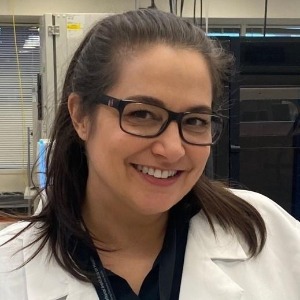
Paige Derr
National Institutes of Health, United States
Fairooza Alam
The Open University, United Kingdom
Katarzyna Gawron
Medical University of Silesia in Katowice, PolandSubmit your abstract Today


Title : The era of artificial intelligence (AI) and its use in regenerative medicine
Vasiliki E Kalodimou, European University-Cyprus Ltd, Cyprus
Title : The role of gingival fibroblasts in periodontal diseases and regeneration
Katarzyna Gawron, Medical University of Silesia in Katowice, Poland
Title : AI-integrated high-throughput tissue-chip for space-based biomanufacturing applications
Kunal Mitra, Florida Tech, United States
Title : Role of textile materials in tissue engineering and regenerative medicine
Gokarneshan Narayanan, SSM College of Engineering (Formerly), India
Title : Induction of neo angiogenesis: A way forward for reversing necrosis in complex wounds in orthopaedic practice
Sandeep Shrivastava, Datta Meghe Institute of Medical Sciences, India
Title : Silk-derived sericin at the interface of atopic dermatitis and wound healing: Modulation of inflammation and epidermal repair
Marek Konop, Medical University of Warsaw, Poland