6th Edition of International Conference on Tissue Engineering and Regenerative Medicine
September 28-30 | London, UK

Skeletal Muscle Cells
Skeletal Muscle Cells, also known as muscle fibers, are specialized cells that constitute the skeletal muscle tissue, which is attached to bones and facilitates voluntary movement. These cells are multinucleated, containing multiple nuclei per cell, and are characterized by their striated appearance under a microscope, resulting from the organized arrangement of protein filaments. Skeletal muscle cells are under conscious control, allowing individuals to perform a wide range of activities, from simple gestures to complex athletic movements. The contraction and relaxation of these cells are orchestrated by the nervous system through the release of neurotransmitters at the neuromuscular junction, initiating an electrochemical signal that travels along the cell membrane and triggers the release of calcium ions from internal stores. Within the skeletal muscle cells, myofibrils are structures responsible for contraction, containing repeating sarcomeres, the fundamental units of muscle contraction. These sarcomeres consist of thick and thin filaments made up of proteins such as actin and myosin. The sliding filament theory explains the mechanism of muscle contraction, where these filaments slide past each other, causing the sarcomere to shorten. ATP (adenosine triphosphate) serves as the energy currency for this process, providing the necessary energy for muscle contraction and relaxation. Skeletal muscle cells exhibit remarkable plasticity, adapting to changes in workload through processes like hypertrophy (increase in cell size) and atrophy (decrease in cell size). Exercise, nutrition, and hormonal regulation play key roles in maintaining the health and function of skeletal muscle cells. Additionally, satellite cells, located on the periphery of muscle fibers, contribute to muscle repair and regeneration, helping to recover from injuries or damage.

Kunal Mitra
Florida Tech, United States
Patrizia Ferretti
UCL Great Ormond Street Institute of Child Health, United Kingdom
Ivan Kelnar
Institute of Macromolecular Chemistry, Czech Academy of Sciences, Czech Republic
Aradhana Kasimsetty
National Center for Advancing Translational Sciences (NCATS), National Institutes of Health (NIH), United States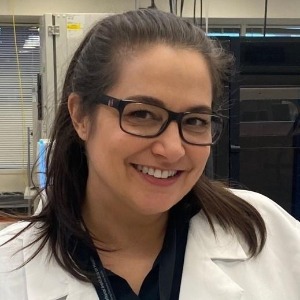
Paige Derr
National Institutes of Health, United States
Fairooza Alam
The Open University, United Kingdom
Katarzyna Gawron
Medical University of Silesia in Katowice, PolandSubmit your abstract Today


Title : The era of artificial intelligence (AI) and its use in regenerative medicine
Vasiliki E Kalodimou, European University-Cyprus Ltd, Cyprus
Title : The role of gingival fibroblasts in periodontal diseases and regeneration
Katarzyna Gawron, Medical University of Silesia in Katowice, Poland
Title : AI-integrated high-throughput tissue-chip for space-based biomanufacturing applications
Kunal Mitra, Florida Tech, United States
Title : Role of textile materials in tissue engineering and regenerative medicine
Gokarneshan Narayanan, SSM College of Engineering (Formerly), India
Title : Induction of neo angiogenesis: A way forward for reversing necrosis in complex wounds in orthopaedic practice
Sandeep Shrivastava, Datta Meghe Institute of Medical Sciences, India
Title : Silk-derived sericin at the interface of atopic dermatitis and wound healing: Modulation of inflammation and epidermal repair
Marek Konop, Medical University of Warsaw, Poland