6th Edition of International Conference on Tissue Engineering and Regenerative Medicine
September 28-30 | London, UK

Synthetic Biology
Synthetic Biology is an interdisciplinary field that combines principles from biology, engineering, computer science, and other disciplines to design and construct biological systems with novel functions or capabilities. It involves the synthesis of genetic components, the modification of existing biological systems, and the creation of artificial organisms or biological circuits for various applications in biotechnology, medicine, energy, and environmental conservation. One of the key goals of synthetic biology is to engineer living organisms to perform specific tasks or produce valuable products. This includes the design of microbial factories capable of synthesizing pharmaceuticals, biofuels, chemicals, and other useful compounds through metabolic engineering and pathway optimization. Synthetic biology also aims to create new biological systems and functions that do not exist in nature. This can involve the design of synthetic genetic circuits, gene networks, and cellular signalling pathways to control gene expression, regulate cellular processes, and enable programmed behaviours in living cells. Advances in DNA synthesis, genome editing, and computational modelling have facilitated the design and construction of synthetic biological systems with increasingly complex functionalities. These technologies allow researchers to engineer precise genetic modifications, assemble DNA sequences, and predict the behaviour of engineered organisms before they are constructed.

Kunal Mitra
Florida Tech, United States
Patrizia Ferretti
UCL Great Ormond Street Institute of Child Health, United Kingdom
Ivan Kelnar
Institute of Macromolecular Chemistry, Czech Academy of Sciences, Czech Republic
Aradhana Kasimsetty
National Center for Advancing Translational Sciences (NCATS), National Institutes of Health (NIH), United States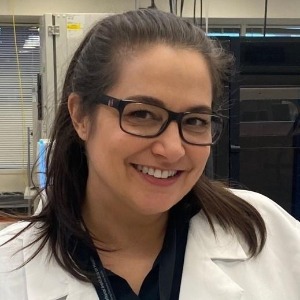
Paige Derr
National Institutes of Health, United States
Fairooza Alam
The Open University, United Kingdom
Katarzyna Gawron
Medical University of Silesia in Katowice, PolandSubmit your abstract Today


Title : The era of artificial intelligence (AI) and its use in regenerative medicine
Vasiliki E Kalodimou, European University-Cyprus Ltd, Cyprus
Title : The role of gingival fibroblasts in periodontal diseases and regeneration
Katarzyna Gawron, Medical University of Silesia in Katowice, Poland
Title : AI-integrated high-throughput tissue-chip for space-based biomanufacturing applications
Kunal Mitra, Florida Tech, United States
Title : Role of textile materials in tissue engineering and regenerative medicine
Gokarneshan Narayanan, SSM College of Engineering (Formerly), India
Title : Induction of neo angiogenesis: A way forward for reversing necrosis in complex wounds in orthopaedic practice
Sandeep Shrivastava, Datta Meghe Institute of Medical Sciences, India
Title : Silk-derived sericin at the interface of atopic dermatitis and wound healing: Modulation of inflammation and epidermal repair
Marek Konop, Medical University of Warsaw, Poland