6th Edition of International Conference on Tissue Engineering and Regenerative Medicine
September 28-30 | London, UK

Tissue Banking
Tissue Banking involves the collection, preservation, and storage of biological tissues for various purposes, including medical research, transplantation, and education. Tissues obtained from donors, both living and deceased, are processed, documented, and stored under controlled conditions to maintain their viability and functionality. In the context of organ transplantation, tissue banking plays a crucial role in ensuring a readily available supply of organs for transplantation procedures, enhancing the chances of successful grafts. Additionally, tissue banks are pivotal in supporting medical research by providing researchers with a valuable resource for studying diseases, developing new therapies, and conducting experiments. Cryopreservation techniques are often employed to store tissues for extended periods, allowing researchers to access a diverse range of tissues over time. Ethical considerations, privacy, and informed consent are fundamental aspects of tissue banking practices. The establishment of standardized protocols and quality control measures is essential to ensure the safety and efficacy of stored tissues. Tissue banks contribute significantly to advancements in medicine, fostering breakthroughs in regenerative medicine, tissue engineering, and personalized medicine. As technology and biobanking practices evolve, tissue banking continues to be a critical component in medical progress and the improvement of healthcare outcomes.

Kunal Mitra
Florida Tech, United States
Patrizia Ferretti
UCL Great Ormond Street Institute of Child Health, United Kingdom
Ivan Kelnar
Institute of Macromolecular Chemistry, Czech Academy of Sciences, Czech Republic
Aradhana Kasimsetty
National Center for Advancing Translational Sciences (NCATS), National Institutes of Health (NIH), United States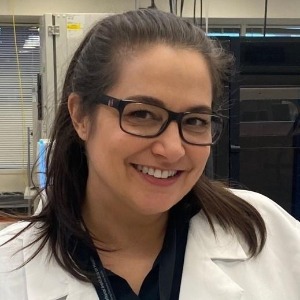
Paige Derr
National Institutes of Health, United States
Fairooza Alam
The Open University, United Kingdom
Katarzyna Gawron
Medical University of Silesia in Katowice, PolandSubmit your abstract Today


Title : The era of artificial intelligence (AI) and its use in regenerative medicine
Vasiliki E Kalodimou, European University-Cyprus Ltd, Cyprus
Title : The role of gingival fibroblasts in periodontal diseases and regeneration
Katarzyna Gawron, Medical University of Silesia in Katowice, Poland
Title : AI-integrated high-throughput tissue-chip for space-based biomanufacturing applications
Kunal Mitra, Florida Tech, United States
Title : Role of textile materials in tissue engineering and regenerative medicine
Gokarneshan Narayanan, SSM College of Engineering (Formerly), India
Title : Induction of neo angiogenesis: A way forward for reversing necrosis in complex wounds in orthopaedic practice
Sandeep Shrivastava, Datta Meghe Institute of Medical Sciences, India
Title : Silk-derived sericin at the interface of atopic dermatitis and wound healing: Modulation of inflammation and epidermal repair
Marek Konop, Medical University of Warsaw, Poland