6th Edition of International Conference on Tissue Engineering and Regenerative Medicine
September 28-30 | London, UK

Tissue Culture Specialist
A Tissue Culture Specialist is an expert in cultivating and maintaining plant or animal tissues under sterile laboratory conditions. This role involves the preparation of nutrient-rich media, precise handling of explants or cells, and the regulation of environmental conditions such as temperature, light, humidity, and pH. Specialists use aseptic techniques to prevent contamination and ensure the consistent growth of tissues in vitro. Their responsibilities often include initiating cultures from primary samples, monitoring development stages, and optimizing protocols for better efficiency and reproducibility. Attention to detail and deep biological knowledge are crucial, as small changes in conditions can significantly affect outcomes.
These professionals are vital in fields such as pharmaceutical development, crop improvement, genetic studies, and disease modeling. A Tissue Culture Specialist may collaborate with research scientists to provide reliable biological material for experimental testing, drug screening, or regenerative practices. Their ability to recognize and respond to subtle signs of contamination or stress in cultures helps ensure high-quality, viable samples. In many advanced laboratories, specialists also contribute to innovation by refining techniques for large-scale production or creating specialized cell lines. Through their technical skill and scientific insight, they enable consistent and scalable biological research that drives progress in both academic and industrial settings.
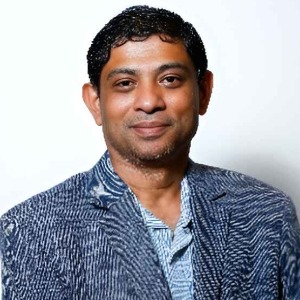
Kunal Mitra
Florida Tech, United States
Patrizia Ferretti
UCL Great Ormond Street Institute of Child Health, United Kingdom
Ivan Kelnar
Institute of Macromolecular Chemistry, Czech Academy of Sciences, Czech Republic
Aradhana Kasimsetty
National Center for Advancing Translational Sciences (NCATS), National Institutes of Health (NIH), United States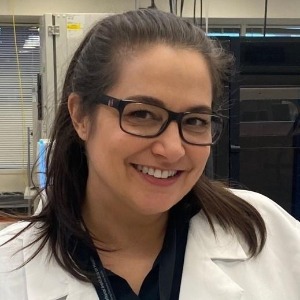
Paige Derr
National Institutes of Health, United States
Fairooza Alam
The Open University, United Kingdom
Katarzyna Gawron
Medical University of Silesia in Katowice, PolandSubmit your abstract Today


Title : The era of artificial intelligence (AI) and its use in regenerative medicine
Vasiliki E Kalodimou, European University-Cyprus Ltd, Cyprus
Title : The role of gingival fibroblasts in periodontal diseases and regeneration
Katarzyna Gawron, Medical University of Silesia in Katowice, Poland
Title : AI-integrated high-throughput tissue-chip for space-based biomanufacturing applications
Kunal Mitra, Florida Tech, United States
Title : Role of textile materials in tissue engineering and regenerative medicine
Gokarneshan Narayanan, SSM College of Engineering (Formerly), India
Title : Induction of neo angiogenesis: A way forward for reversing necrosis in complex wounds in orthopaedic practice
Sandeep Shrivastava, Datta Meghe Institute of Medical Sciences, India
Title : Silk-derived sericin at the interface of atopic dermatitis and wound healing: Modulation of inflammation and epidermal repair
Marek Konop, Medical University of Warsaw, Poland