6th Edition of International Conference on Tissue Engineering and Regenerative Medicine
September 28-30 | London, UK

Tissue Maturation
Tissue Maturation is a crucial phase in the development of engineered tissues, wherein the created constructs evolve to exhibit characteristics akin to natural, mature tissues. This process involves the refinement of cellular organization, extracellular matrix composition, and functional properties to achieve optimal performance and integration within the host organism. During tissue maturation, cells within the construct undergo differentiation, adopting specialized functions relevant to the targeted tissue type. The extracellular matrix undergoes remodeling, with the deposition and alignment of structural proteins contributing to the biomechanical strength and integrity of the tissue. Factors such as nutrient supply, oxygenation, and mechanical cues play pivotal roles in guiding tissue maturation. Bioreactors and perfusion systems are often employed to simulate physiological conditions, providing a conducive environment for cells to mature and organize appropriately. Monitoring techniques, including imaging, histological analyses, and functional assessments, are crucial for evaluating the degree of tissue maturation. Successful tissue maturation is paramount for the clinical efficacy of engineered tissues, ensuring their seamless integration, functionality, and long-term stability within the host. Ongoing research in tissue engineering emphasizes strategies and technologies to enhance the maturation process, contributing to advancements in regenerative medicine and the development of more sophisticated tissue-engineered constructs.

Kunal Mitra
Florida Tech, United States
Patrizia Ferretti
UCL Great Ormond Street Institute of Child Health, United Kingdom
Ivan Kelnar
Institute of Macromolecular Chemistry, Czech Academy of Sciences, Czech Republic
Aradhana Kasimsetty
National Center for Advancing Translational Sciences (NCATS), National Institutes of Health (NIH), United States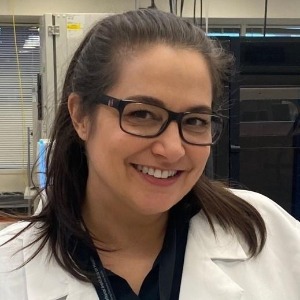
Paige Derr
National Institutes of Health, United States
Fairooza Alam
The Open University, United Kingdom
Katarzyna Gawron
Medical University of Silesia in Katowice, PolandSubmit your abstract Today


Title : The era of artificial intelligence (AI) and its use in regenerative medicine
Vasiliki E Kalodimou, European University-Cyprus Ltd, Cyprus
Title : The role of gingival fibroblasts in periodontal diseases and regeneration
Katarzyna Gawron, Medical University of Silesia in Katowice, Poland
Title : AI-integrated high-throughput tissue-chip for space-based biomanufacturing applications
Kunal Mitra, Florida Tech, United States
Title : Role of textile materials in tissue engineering and regenerative medicine
Gokarneshan Narayanan, SSM College of Engineering (Formerly), India
Title : Induction of neo angiogenesis: A way forward for reversing necrosis in complex wounds in orthopaedic practice
Sandeep Shrivastava, Datta Meghe Institute of Medical Sciences, India
Title : Silk-derived sericin at the interface of atopic dermatitis and wound healing: Modulation of inflammation and epidermal repair
Marek Konop, Medical University of Warsaw, Poland