6th Edition of International Conference on Tissue Engineering and Regenerative Medicine
September 28-30 | London, UK

Tissue Microenvironment
Tissue Microenvironment, also known as the extracellular matrix (ECM) or stromal environment, refers to the complex network of molecules and cells surrounding cells within a tissue. It provides structural support, biochemical signals, and physical cues that regulate cellular behaviour, differentiation, and function. The tissue microenvironment is composed of various components, including ECM proteins (such as collagen, fibronectin, laminin), proteoglycans, growth factors, cytokines, and cell-cell interactions. These components interact dynamically to maintain tissue homeostasis, support cellular functions, and regulate tissue development, repair, and regeneration. The ECM serves as a scaffold for cells within tissues, providing mechanical support and anchorage for cell adhesion, migration, and proliferation. It also regulates cell signalling pathways and gene expression through biochemical and biomechanical cues, influencing cell behaviour and fate decisions. Cellular components of the tissue microenvironment include fibroblasts, immune cells, endothelial cells, and pericytes, among others. These cells secrete ECM proteins, growth factors, and cytokines, and interact with neighbouring cells to modulate tissue structure and function. The tissue microenvironment plays critical roles in various physiological processes, including tissue morphogenesis, wound healing, immune response, and angiogenesis. It also contributes to the pathogenesis of diseases such as cancer, fibrosis, and inflammatory disorders, where alterations in the microenvironment can promote tumour growth, tissue scarring, or aberrant immune responses.

Kunal Mitra
Florida Tech, United States
Patrizia Ferretti
UCL Great Ormond Street Institute of Child Health, United Kingdom
Ivan Kelnar
Institute of Macromolecular Chemistry, Czech Academy of Sciences, Czech Republic
Aradhana Kasimsetty
National Center for Advancing Translational Sciences (NCATS), National Institutes of Health (NIH), United States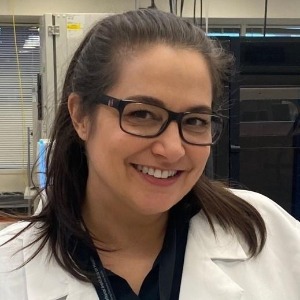
Paige Derr
National Institutes of Health, United States
Fairooza Alam
The Open University, United Kingdom
Katarzyna Gawron
Medical University of Silesia in Katowice, PolandSubmit your abstract Today


Title : The era of artificial intelligence (AI) and its use in regenerative medicine
Vasiliki E Kalodimou, European University-Cyprus Ltd, Cyprus
Title : The role of gingival fibroblasts in periodontal diseases and regeneration
Katarzyna Gawron, Medical University of Silesia in Katowice, Poland
Title : AI-integrated high-throughput tissue-chip for space-based biomanufacturing applications
Kunal Mitra, Florida Tech, United States
Title : Role of textile materials in tissue engineering and regenerative medicine
Gokarneshan Narayanan, SSM College of Engineering (Formerly), India
Title : Induction of neo angiogenesis: A way forward for reversing necrosis in complex wounds in orthopaedic practice
Sandeep Shrivastava, Datta Meghe Institute of Medical Sciences, India
Title : Silk-derived sericin at the interface of atopic dermatitis and wound healing: Modulation of inflammation and epidermal repair
Marek Konop, Medical University of Warsaw, Poland