6th Edition of International Conference on Tissue Engineering and Regenerative Medicine
September 28-30 | London, UK

Adult Stem Cells
Adult Stem Cells, also known as somatic or tissue-specific stem cells, are undifferentiated cells found in various tissues of the body. These cells have the unique ability to differentiate into specialized cell types within the tissue where they reside, contributing to tissue repair and maintenance throughout an individual's life. Unlike embryonic stem cells, which can differentiate into any cell type in the body, adult stem cells are multipotent and have a more restricted differentiation potential. They play a crucial role in the natural regeneration and repair processes, aiding in the replenishment of damaged or aging cells. Adult stem cells are found in various tissues, including the bone marrow, skin, brain, liver, and muscle. They are particularly important for ongoing homeostasis and response to injury. The bone marrow, for example, contains hematopoietic stem cells that give rise to blood cells, while mesenchymal stem cells in various tissues contribute to the formation of bone, cartilage, and adipose tissue. Research on adult stem cells holds significant promise for regenerative medicine, as these cells may be harnessed for therapeutic purposes. Scientists are exploring ways to isolate, culture, and direct the differentiation of adult stem cells for the treatment of various diseases and injuries. While their application is more limited compared to embryonic stem cells, adult stem cells offer a valuable resource for personalized medicine and regenerative therapies.

Kunal Mitra
Florida Tech, United States
Patrizia Ferretti
UCL Great Ormond Street Institute of Child Health, United Kingdom
Ivan Kelnar
Institute of Macromolecular Chemistry, Czech Academy of Sciences, Czech Republic
Aradhana Kasimsetty
National Center for Advancing Translational Sciences (NCATS), National Institutes of Health (NIH), United States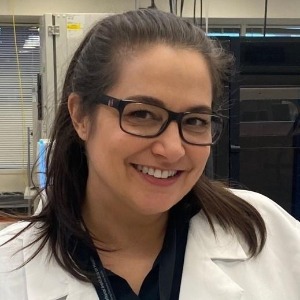
Paige Derr
National Institutes of Health, United States
Fairooza Alam
The Open University, United Kingdom
Katarzyna Gawron
Medical University of Silesia in Katowice, PolandSubmit your abstract Today


Title : The era of artificial intelligence (AI) and its use in regenerative medicine
Vasiliki E Kalodimou, European University-Cyprus Ltd, Cyprus
Title : The role of gingival fibroblasts in periodontal diseases and regeneration
Katarzyna Gawron, Medical University of Silesia in Katowice, Poland
Title : AI-integrated high-throughput tissue-chip for space-based biomanufacturing applications
Kunal Mitra, Florida Tech, United States
Title : Role of textile materials in tissue engineering and regenerative medicine
Gokarneshan Narayanan, SSM College of Engineering (Formerly), India
Title : Induction of neo angiogenesis: A way forward for reversing necrosis in complex wounds in orthopaedic practice
Sandeep Shrivastava, Datta Meghe Institute of Medical Sciences, India
Title : Silk-derived sericin at the interface of atopic dermatitis and wound healing: Modulation of inflammation and epidermal repair
Marek Konop, Medical University of Warsaw, Poland