6th Edition of International Conference on Tissue Engineering and Regenerative Medicine
September 28-30 | London, UK

Cell and Gene Therapy Specialists
Cell and Gene Therapy Specialists are pioneering the development of advanced treatments aimed at directly modifying the genetic material within a patient's cells to treat or prevent diseases. These specialists leverage cutting-edge techniques such as CRISPR gene editing, viral vector-based gene delivery, and ex vivo cell manipulation to alter the genetic makeup of cells for therapeutic purposes. The goal is to correct genetic defects, replace missing or malfunctioning genes, or enhance the body’s ability to fight diseases such as cancer, genetic disorders, and viral infections. By altering or replacing the defective genetic material in a patient’s cells, these therapies hold the potential to provide long-lasting, even curative, treatments for conditions that were once considered incurable. This approach also paves the way for more effective treatments in areas like autoimmune diseases and certain types of inherited blindness.
These experts work in highly collaborative environments, often joining forces with researchers, clinical teams, and regulatory bodies to ensure the safety, efficacy, and ethical implementation of cell and gene therapies. One of the most exciting prospects of their work is the development of personalized treatments tailored to an individual’s genetic profile. As the field continues to evolve, cell and gene therapy specialists are reshaping the landscape of medicine, offering hope for previously untreatable conditions and opening doors to new frontiers in personalized healthcare.

Kunal Mitra
Florida Tech, United States
Patrizia Ferretti
UCL Great Ormond Street Institute of Child Health, United Kingdom
Ivan Kelnar
Institute of Macromolecular Chemistry, Czech Academy of Sciences, Czech Republic
Aradhana Kasimsetty
National Center for Advancing Translational Sciences (NCATS), National Institutes of Health (NIH), United States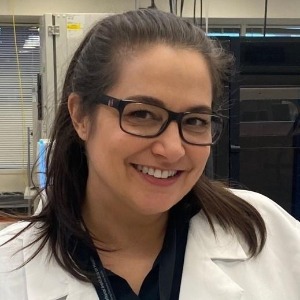
Paige Derr
National Institutes of Health, United States
Fairooza Alam
The Open University, United Kingdom
Katarzyna Gawron
Medical University of Silesia in Katowice, PolandSubmit your abstract Today


Title : The era of artificial intelligence (AI) and its use in regenerative medicine
Vasiliki E Kalodimou, European University-Cyprus Ltd, Cyprus
Title : The role of gingival fibroblasts in periodontal diseases and regeneration
Katarzyna Gawron, Medical University of Silesia in Katowice, Poland
Title : AI-integrated high-throughput tissue-chip for space-based biomanufacturing applications
Kunal Mitra, Florida Tech, United States
Title : Role of textile materials in tissue engineering and regenerative medicine
Gokarneshan Narayanan, SSM College of Engineering (Formerly), India
Title : Induction of neo angiogenesis: A way forward for reversing necrosis in complex wounds in orthopaedic practice
Sandeep Shrivastava, Datta Meghe Institute of Medical Sciences, India
Title : Silk-derived sericin at the interface of atopic dermatitis and wound healing: Modulation of inflammation and epidermal repair
Marek Konop, Medical University of Warsaw, Poland