6th Edition of International Conference on Tissue Engineering and Regenerative Medicine
September 28-30 | London, UK

Gene Editing and CRISPR Specialists
Gene Editing and CRISPR Specialists are transforming the future of medicine by developing precise, targeted methods to alter genetic material within living cells. Utilizing technologies such as CRISPR-Cas9, these experts are able to cut and modify specific DNA sequences, correcting mutations that cause inherited diseases. Their work has profound implications for treating conditions like sickle cell anemia, Huntington’s disease, and certain forms of cancer. By enabling scientists to make accurate changes at the genomic level, gene editing specialists are not only addressing the root causes of many diseases but also laying the groundwork for next-generation therapies that are both personalized and curative.
These specialists play a crucial role in advancing regenerative medicine by combining gene editing with stem cell therapy and tissue engineering. They work to enhance the regenerative capacity of cells, correct genetic flaws before tissue construction, and develop therapies that are safer and more effective. In addition to technical expertise, they navigate complex ethical and regulatory landscapes, ensuring their research is conducted responsibly and with long-term safety in mind. As gene editing technologies continue to evolve, CRISPR specialists are opening new possibilities in disease prevention, organ repair, and even synthetic biology—marking a significant leap forward in how we understand and treat human health at the genetic level.
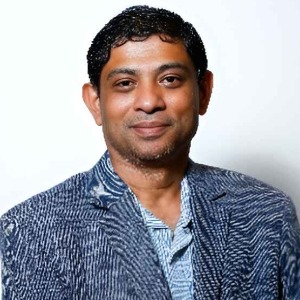
Kunal Mitra
Florida Tech, United States
Patrizia Ferretti
UCL Great Ormond Street Institute of Child Health, United Kingdom
Ivan Kelnar
Institute of Macromolecular Chemistry, Czech Academy of Sciences, Czech Republic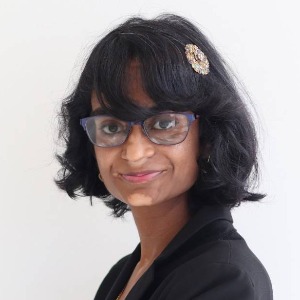
Aradhana Kasimsetty
National Center for Advancing Translational Sciences (NCATS), National Institutes of Health (NIH), United States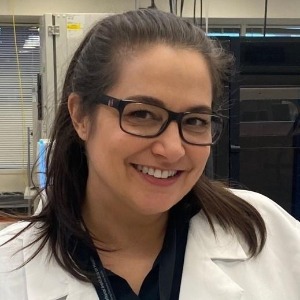
Paige Derr
National Institutes of Health, United States
Fairooza Alam
The Open University, United Kingdom
Katarzyna Gawron
Medical University of Silesia in Katowice, PolandSubmit your abstract Today


Title : The era of artificial intelligence (AI) and its use in regenerative medicine
Vasiliki E Kalodimou, European University-Cyprus Ltd, Cyprus
Title : The role of gingival fibroblasts in periodontal diseases and regeneration
Katarzyna Gawron, Medical University of Silesia in Katowice, Poland
Title : AI-integrated high-throughput tissue-chip for space-based biomanufacturing applications
Kunal Mitra, Florida Tech, United States
Title : Role of textile materials in tissue engineering and regenerative medicine
Gokarneshan Narayanan, SSM College of Engineering (Formerly), India
Title : Induction of neo angiogenesis: A way forward for reversing necrosis in complex wounds in orthopaedic practice
Sandeep Shrivastava, Datta Meghe Institute of Medical Sciences, India
Title : Silk-derived sericin at the interface of atopic dermatitis and wound healing: Modulation of inflammation and epidermal repair
Marek Konop, Medical University of Warsaw, Poland