6th Edition of International Conference on Tissue Engineering and Regenerative Medicine
September 28-30 | London, UK

Regenerative Medicine Scientists
Regenerative Medicine Scientists are at the forefront of developing advanced therapeutic strategies aimed at repairing, replacing, or regenerating damaged tissues and organs. These experts integrate knowledge from molecular biology, genetics, stem cell research, and biomedical engineering to restore normal function in tissues compromised by injury, disease, or aging. Their work involves the manipulation of stem cells, growth factors, and biomaterials to stimulate the body’s natural healing processes. From developing lab-grown tissues to exploring gene editing techniques, regenerative medicine scientists contribute significantly to innovations that offer new hope for conditions such as neurodegenerative disorders, heart disease, diabetes, and spinal cord injuries.
These scientists also play a key role in translating laboratory research into clinical therapies. They are involved in rigorous testing, preclinical studies, and clinical trials to ensure safety, efficacy, and ethical compliance. One of the most exciting aspects of their work is the potential for personalized treatment approaches, tailored to an individual’s genetic profile and medical history. With the help of cutting-edge tools like 3D bioprinting and organ-on-a-chip technology, regenerative medicine scientists are redefining the future of healthcare. Their commitment to scientific discovery and patient-centered innovation is transforming how we understand and treat some of the most complex medical challenges of our time.
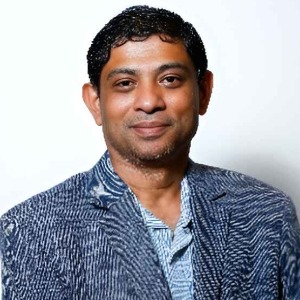
Kunal Mitra
Florida Tech, United States
Patrizia Ferretti
UCL Great Ormond Street Institute of Child Health, United Kingdom
Ivan Kelnar
Institute of Macromolecular Chemistry, Czech Academy of Sciences, Czech Republic
Aradhana Kasimsetty
National Center for Advancing Translational Sciences (NCATS), National Institutes of Health (NIH), United States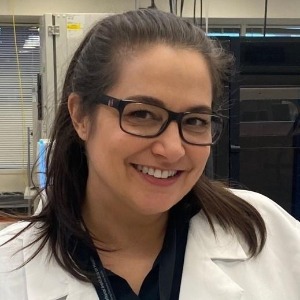
Paige Derr
National Institutes of Health, United States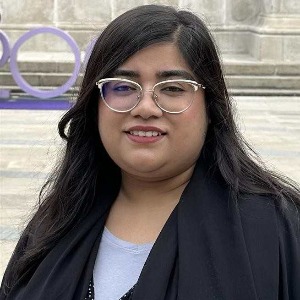
Fairooza Alam
The Open University, United Kingdom
Katarzyna Gawron
Medical University of Silesia in Katowice, PolandSubmit your abstract Today


Title : The era of artificial intelligence (AI) and its use in regenerative medicine
Vasiliki E Kalodimou, European University-Cyprus Ltd, Cyprus
Title : The role of gingival fibroblasts in periodontal diseases and regeneration
Katarzyna Gawron, Medical University of Silesia in Katowice, Poland
Title : AI-integrated high-throughput tissue-chip for space-based biomanufacturing applications
Kunal Mitra, Florida Tech, United States
Title : Role of textile materials in tissue engineering and regenerative medicine
Gokarneshan Narayanan, SSM College of Engineering (Formerly), India
Title : Induction of neo angiogenesis: A way forward for reversing necrosis in complex wounds in orthopaedic practice
Sandeep Shrivastava, Datta Meghe Institute of Medical Sciences, India
Title : Silk-derived sericin at the interface of atopic dermatitis and wound healing: Modulation of inflammation and epidermal repair
Marek Konop, Medical University of Warsaw, Poland