6th Edition of International Conference on Tissue Engineering and Regenerative Medicine
September 28-30 | London, UK

Stem Cell Biologist
A Stem Cell Biologist studies the unique properties of stem cells, focusing on their ability to self-renew and differentiate into various specialized cell types. Their research often involves isolating and culturing stem cells in the laboratory, carefully controlling conditions to observe how these cells develop and respond to different stimuli. By understanding the mechanisms that regulate cell fate, they contribute to breakthroughs in regenerative medicine, drug discovery, and developmental biology. These scientists utilize a range of techniques including gene editing, molecular analysis, and live-cell imaging to uncover the intricate signaling pathways involved in cellular growth and specialization.
A Stem Cell Biologist may work on developing new therapeutic approaches that harness the potential of stem cells to repair damaged tissues or treat diseases. Collaboration with clinicians and bioengineers is common to translate lab discoveries into practical applications. Their work helps improve disease modeling, identify novel drug targets, and optimize protocols for cell-based therapies. The contributions of a Stem Cell Biologist are foundational to many medical advances that aim to replace or restore damaged cells and organs. Their insights drive innovation that could revolutionize how chronic illnesses and injuries are treated in the future. By continually pushing the boundaries of cellular science, they open new pathways for personalized medicine. Their research fosters hope for cures to conditions previously thought untreatable. Through dedication and precision, they are paving the way for a healthier tomorrow.
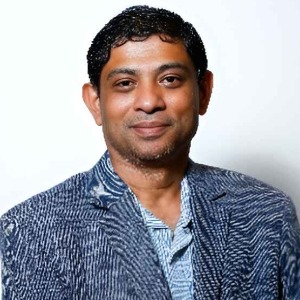
Kunal Mitra
Florida Tech, United States
Patrizia Ferretti
UCL Great Ormond Street Institute of Child Health, United Kingdom
Ivan Kelnar
Institute of Macromolecular Chemistry, Czech Academy of Sciences, Czech Republic
Aradhana Kasimsetty
National Center for Advancing Translational Sciences (NCATS), National Institutes of Health (NIH), United States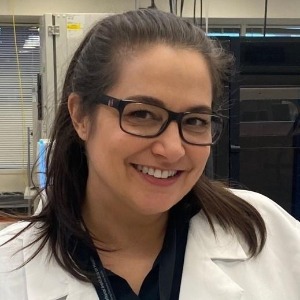
Paige Derr
National Institutes of Health, United States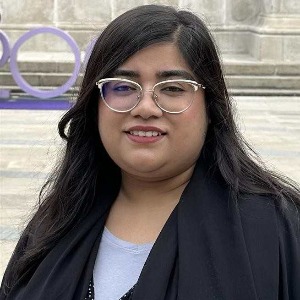
Fairooza Alam
The Open University, United Kingdom
Katarzyna Gawron
Medical University of Silesia in Katowice, PolandSubmit your abstract Today


Title : The era of artificial intelligence (AI) and its use in regenerative medicine
Vasiliki E Kalodimou, European University-Cyprus Ltd, Cyprus
Title : The role of gingival fibroblasts in periodontal diseases and regeneration
Katarzyna Gawron, Medical University of Silesia in Katowice, Poland
Title : AI-integrated high-throughput tissue-chip for space-based biomanufacturing applications
Kunal Mitra, Florida Tech, United States
Title : Role of textile materials in tissue engineering and regenerative medicine
Gokarneshan Narayanan, SSM College of Engineering (Formerly), India
Title : Induction of neo angiogenesis: A way forward for reversing necrosis in complex wounds in orthopaedic practice
Sandeep Shrivastava, Datta Meghe Institute of Medical Sciences, India
Title : Silk-derived sericin at the interface of atopic dermatitis and wound healing: Modulation of inflammation and epidermal repair
Marek Konop, Medical University of Warsaw, Poland