
Biomass pyrolysis is an innovative thermal decomposition process that converts organic materials, such as wood, crop residues, or organic waste, into valuable biochar, bio-oil, and syngas. Operating in the absence of oxygen, biomass pyrolysis subjects the feedstock to high temperatures, causing it to break down into these distinct fractions. Biochar, a carbon-rich solid, enhances soil fertility, carbon sequestration, and water retention when used as a soil amendment. Bio-oil, a liquid product, has potential applications as a biofuel or feedstock for chemical production. Syngas, a mixture of hydrogen and carbon monoxide, serves as a versatile energy source for electricity generation or biofuel synthesis. Biomass pyrolysis mitigates greenhouse gas emissions by capturing carbon in the form of stable biochar, preventing it from returning to the atmosphere. The process offers a decentralized and environmentally friendly solution for utilizing agricultural residues and forestry waste. Ongoing research in biomass pyrolysis focuses on optimizing operating conditions, improving product yields, and exploring the integration of pyrolysis into sustainable waste management and energy production systems.
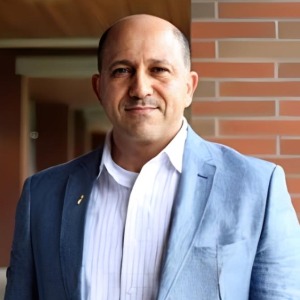
Hossam A Gabbar
Ontario Tech University, Canada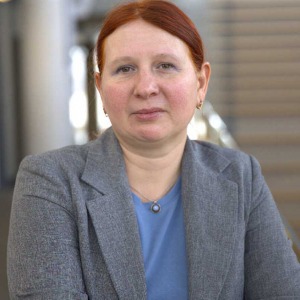
Olena V Zenkina
Ontario Tech University, Canada
Tomayess Issa
Curtin University, Australia
Orchidea Maria Lecian
Sapienza University of Rome, Italy
Anne Marteel Parrish
Washington College, United States
Rudra Sarkar
Indian Institute of Petroleum and Energy, India
Laxmi J Hathiya
Saurashtra University, India
Ahmed Diab Mohamed Ahmed El Esawy
Drinking Water and Sanitation Company, Egypt
Oumaima Cherradi
University Mohammed VI Polytechnic, Morocco
Fatemehsadat Mirmohammadmakki
Islamic Azad University, Iran (Islamic Republic of)Submit your abstract Today


Title : Hydrocracking theory and technology
Orchidea Maria Lecian, Sapienza University of Rome, Italy
Title : Advances in plasma-based waste treatment for sustainable communities
Hossam A Gabbar, Ontario Tech University, Canada
Title : Beyond business as usual: Advancing ethical sustainability education through indigenous knowledge, industry engagement, and real-world impact
Tomayess Issa, Curtin University, Australia
Title : AI-enabled circular economy and green chemistry: accelerating net-zero and sustainable industrial transformation
Anthony Halog, The University of Queensland, Australia
Title : Optical investigations of Zn-doped CuO nanostructure
Yarub Al Douri, European Academy of Sciences, Belgium
Title : Generalized green and red concepts: Environmental sustainability of AI, big data, ICT, and general green technologies
Jinsong Wu, University of Chile, Chile
Title : Crystallographic transformations and energy relations of thermomechanical processes in shape memory alloys
Osman Adiguzel, Firat University, Turkey
Title : Structural and gas-sensing properties of nano-structured mixed ferrites synthesized by citrate-gel auto-combustion technique
Laxmi J Hathiya, Saurashtra University, India
Title : Antibacterial activity of bioactive compounds extracted from the Egyptian untapped green algae Rhizoclonium hieroglyphicum
Ahmed Diab Mohamed Ahmed El Esawy, Drinking Water and Sanitation Company, Egypt
Title : Greener chemistry for a sustainable future: Transforming chemistry education through systems thinking
Anne Marteel Parrish, Washington College, United States