
Pollution prevention engineers are instrumental in shifting the focus from reactive pollution control to proactive design and operational strategies that minimize environmental impact at the source. Instead of relying on end-of-pipe solutions, they analyze processes to identify where pollutants originate and implement technical modifications to reduce or eliminate their formation entirely. Their methods range from material substitution and equipment redesign to process reconfiguration and energy optimization, ensuring that sustainability is woven directly into the fabric of industrial systems. These professionals often apply mass balance analysis, green chemistry metrics, and risk assessments to guide their recommendations with precision and effectiveness.
Their influence spans sectors such as manufacturing, mining, chemical production, and wastewater treatment, where preventing contamination before it occurs can significantly reduce costs, liability, and ecological harm. Pollution prevention engineers work closely with plant managers, environmental compliance officers, and research teams to develop scalable solutions that meet both regulatory standards and organizational sustainability goals. Their innovations can lead to measurable reductions in emissions, resource consumption, and hazardous waste generation—enhancing operational efficiency while protecting environmental and human health. As global attention intensifies around issues like air quality, water pollution, and industrial waste, these engineers are critical to enabling cleaner, safer, and more responsible production systems rooted in prevention rather than remediation.
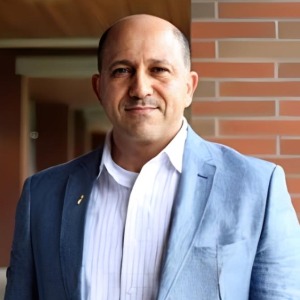
Hossam A Gabbar
Ontario Tech University, Canada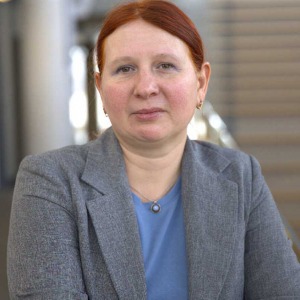
Olena V Zenkina
Ontario Tech University, Canada
Tomayess Issa
Curtin University, Australia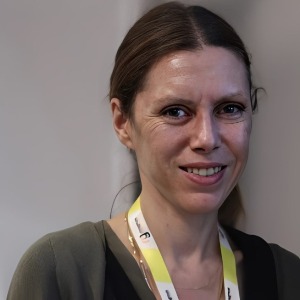
Orchidea Maria Lecian
Sapienza University of Rome, Italy
Anne Marteel Parrish
Washington College, United States
Rudra Sarkar
Indian Institute of Petroleum and Energy, India
Laxmi J Hathiya
Saurashtra University, India
Ahmed Diab Mohamed Ahmed El Esawy
Drinking Water and Sanitation Company, Egypt
Oumaima Cherradi
University Mohammed VI Polytechnic, Morocco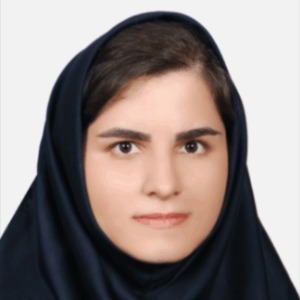
Fatemehsadat Mirmohammadmakki
Islamic Azad University, Iran (Islamic Republic of)Submit your abstract Today


Title : Hydrocracking theory and technology
Orchidea Maria Lecian, Sapienza University of Rome, Italy
Title : Advances in plasma-based waste treatment for sustainable communities
Hossam A Gabbar, Ontario Tech University, Canada
Title : Beyond business as usual: Advancing ethical sustainability education through indigenous knowledge, industry engagement, and real-world impact
Tomayess Issa, Curtin University, Australia
Title : AI-enabled circular economy and green chemistry: accelerating net-zero and sustainable industrial transformation
Anthony Halog, The University of Queensland, Australia
Title : Optical investigations of Zn-doped CuO nanostructure
Yarub Al Douri, European Academy of Sciences, Belgium
Title : Generalized green and red concepts: Environmental sustainability of AI, big data, ICT, and general green technologies
Jinsong Wu, University of Chile, Chile
Title : Crystallographic transformations and energy relations of thermomechanical processes in shape memory alloys
Osman Adiguzel, Firat University, Turkey
Title : Structural and gas-sensing properties of nano-structured mixed ferrites synthesized by citrate-gel auto-combustion technique
Laxmi J Hathiya, Saurashtra University, India
Title : Antibacterial activity of bioactive compounds extracted from the Egyptian untapped green algae Rhizoclonium hieroglyphicum
Ahmed Diab Mohamed Ahmed El Esawy, Drinking Water and Sanitation Company, Egypt
Title : Greener chemistry for a sustainable future: Transforming chemistry education through systems thinking
Anne Marteel Parrish, Washington College, United States