
Renewable energy forecasting is a crucial aspect of optimizing the integration of sustainable energy sources into the power grid. It involves predicting the output of renewable resources like solar and wind, enabling efficient grid management. Advanced meteorological models and data analytics are employed to anticipate fluctuations in energy production, aiding in grid stability. Accurate forecasting enhances the reliability of renewable energy sources, allowing utilities to balance supply and demand effectively. It enables better integration of renewable energy into the grid, reducing the reliance on traditional fossil fuel-based power plants and lowering carbon emissions. Real-time monitoring and forecasting technologies help energy operators anticipate variations in wind speed, solar irradiance, and other factors affecting renewable generation. This information allows for proactive grid adjustments and ensures a steady and reliable energy supply. Renewable energy forecasting supports energy market participants in making informed decisions, optimizing energy trading, and managing energy storage systems. It also facilitates the planning of maintenance activities for renewable infrastructure, ensuring optimal performance. As the world transitions to cleaner energy sources, accurate forecasting becomes increasingly vital for creating resilient and sustainable energy systems. It contributes to the overall stability of the power grid and accelerates the global shift towards a greener and more sustainable energy future.

Hossam A Gabbar
Ontario Tech University, Canada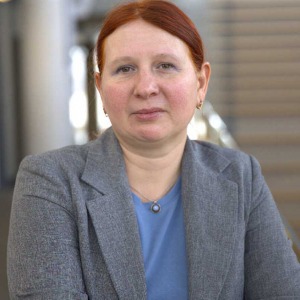
Olena V Zenkina
Ontario Tech University, Canada
Tomayess Issa
Curtin University, Australia
Orchidea Maria Lecian
Sapienza University of Rome, Italy
Anne Marteel Parrish
Washington College, United States
Rudra Sarkar
Indian Institute of Petroleum and Energy, India
Laxmi J Hathiya
Saurashtra University, India
Ahmed Diab Mohamed Ahmed El Esawy
Drinking Water and Sanitation Company, Egypt
Oumaima Cherradi
University Mohammed VI Polytechnic, Morocco
Fatemehsadat Mirmohammadmakki
Islamic Azad University, Iran (Islamic Republic of)Submit your abstract Today


Title : Hydrocracking theory and technology
Orchidea Maria Lecian, Sapienza University of Rome, Italy
Title : Advances in plasma-based waste treatment for sustainable communities
Hossam A Gabbar, Ontario Tech University, Canada
Title : Beyond business as usual: Advancing ethical sustainability education through indigenous knowledge, industry engagement, and real-world impact
Tomayess Issa, Curtin University, Australia
Title : AI-enabled circular economy and green chemistry: accelerating net-zero and sustainable industrial transformation
Anthony Halog, The University of Queensland, Australia
Title : Optical investigations of Zn-doped CuO nanostructure
Yarub Al Douri, European Academy of Sciences, Belgium
Title : Generalized green and red concepts: Environmental sustainability of AI, big data, ICT, and general green technologies
Jinsong Wu, University of Chile, Chile
Title : Crystallographic transformations and energy relations of thermomechanical processes in shape memory alloys
Osman Adiguzel, Firat University, Turkey
Title : Structural and gas-sensing properties of nano-structured mixed ferrites synthesized by citrate-gel auto-combustion technique
Laxmi J Hathiya, Saurashtra University, India
Title : Antibacterial activity of bioactive compounds extracted from the Egyptian untapped green algae Rhizoclonium hieroglyphicum
Ahmed Diab Mohamed Ahmed El Esawy, Drinking Water and Sanitation Company, Egypt
Title : Greener chemistry for a sustainable future: Transforming chemistry education through systems thinking
Anne Marteel Parrish, Washington College, United States