Innovative approaches to water treatment are rapidly evolving as global demand for clean, accessible water increases alongside concerns about environmental sustainability. Traditional purification methods—such as chlorination, coagulation, and sand filtration—often fall short when addressing emerging contaminants like pharmaceutical residues, endocrine disruptors, and microplastics. Researchers are now focusing on advanced chemical processes that not only ensure effective decontamination but also reduce ecological impact. Techniques such as catalytic oxidation, membrane functionalization, and adsorption enhancement are enabling more precise and energy-efficient removal of pollutants. At the same time, integration of renewable inputs and low-waste chemical agents is becoming central to next-generation water purification systems.
In this shift toward sustainability, water purification chemists are playing a vital role. Their expertise supports the development of green reagents, biodegradable treatment agents, and selective catalytic systems that minimize secondary pollution while maximizing purification efficiency. Working across municipal systems, industrial wastewater plants, and portable filtration technologies, they address region-specific challenges such as arsenic removal, salinity reduction, and organic pollutant degradation. Collaboration with environmental engineers, toxicologists, and health agencies ensures that their innovations are both scientifically robust and socially impactful. As water scarcity, pollution, and climate pressures grow, their contributions are indispensable in shaping chemical solutions that deliver clean water equitably, safely, and in harmony with long-term environmental goals.
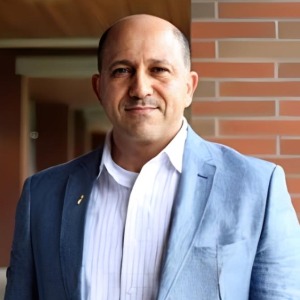
Hossam A Gabbar
Ontario Tech University, Canada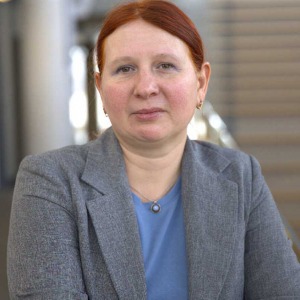
Olena V Zenkina
Ontario Tech University, Canada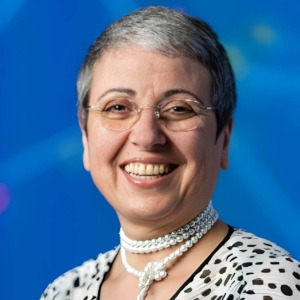
Tomayess Issa
Curtin University, Australia
Orchidea Maria Lecian
Sapienza University of Rome, Italy
Anne Marteel Parrish
Washington College, United States
Rudra Sarkar
Indian Institute of Petroleum and Energy, India
Laxmi J Hathiya
Saurashtra University, India
Ahmed Diab Mohamed Ahmed El Esawy
Drinking Water and Sanitation Company, Egypt
Oumaima Cherradi
University Mohammed VI Polytechnic, Morocco
Fatemehsadat Mirmohammadmakki
Islamic Azad University, Iran (Islamic Republic of)Submit your abstract Today


Title : Hydrocracking theory and technology
Orchidea Maria Lecian, Sapienza University of Rome, Italy
Title : Advances in plasma-based waste treatment for sustainable communities
Hossam A Gabbar, Ontario Tech University, Canada
Title : Beyond business as usual: Advancing ethical sustainability education through indigenous knowledge, industry engagement, and real-world impact
Tomayess Issa, Curtin University, Australia
Title : AI-enabled circular economy and green chemistry: accelerating net-zero and sustainable industrial transformation
Anthony Halog, The University of Queensland, Australia
Title : Optical investigations of Zn-doped CuO nanostructure
Yarub Al Douri, European Academy of Sciences, Belgium
Title : Generalized green and red concepts: Environmental sustainability of AI, big data, ICT, and general green technologies
Jinsong Wu, University of Chile, Chile
Title : Crystallographic transformations and energy relations of thermomechanical processes in shape memory alloys
Osman Adiguzel, Firat University, Turkey
Title : Structural and gas-sensing properties of nano-structured mixed ferrites synthesized by citrate-gel auto-combustion technique
Laxmi J Hathiya, Saurashtra University, India
Title : Antibacterial activity of bioactive compounds extracted from the Egyptian untapped green algae Rhizoclonium hieroglyphicum
Ahmed Diab Mohamed Ahmed El Esawy, Drinking Water and Sanitation Company, Egypt
Title : Greener chemistry for a sustainable future: Transforming chemistry education through systems thinking
Anne Marteel Parrish, Washington College, United States