
Zero-waste process engineers are transforming conventional production systems by reimagining them through the lens of circularity, where every input is maximized and every output—whether solid, liquid, or gaseous—is repurposed, reused, or eliminated entirely. Their goal extends beyond simple waste reduction to designing systems that produce no landfill-bound materials at all. By analyzing the material and energy flows of industrial operations, these engineers identify opportunities for internal reuse, byproduct valorization, and closed-loop integration. Their work often combines lean manufacturing principles with green chemistry and systems engineering, ensuring that waste prevention is embedded in the earliest stages of process development.
In sectors like food processing, chemicals, textiles, and renewable energy, zero-waste process engineers help implement alternative pathways that turn waste streams into valuable co-products or energy inputs. They may design recovery units that recapture solvents, propose process redesigns that eliminate off-spec outputs, or help build synergies between industrial facilities through industrial symbiosis models. Collaboration is key—they work with designers, chemists, and supply chain experts to align zero-waste goals with product functionality and economic feasibility. These engineers also play a critical role in aligning operations with environmental standards and corporate sustainability targets. Through their ingenuity, production no longer ends in disposal but becomes a continuous, regenerative cycle rooted in efficiency and ecological responsibility.
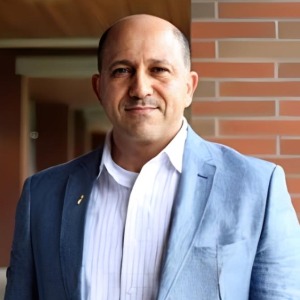
Hossam A Gabbar
Ontario Tech University, Canada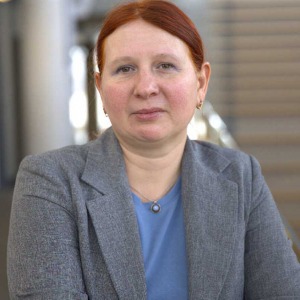
Olena V Zenkina
Ontario Tech University, Canada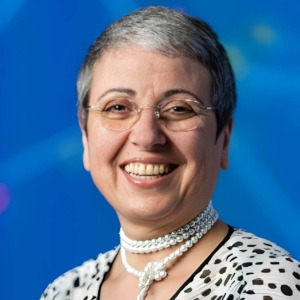
Tomayess Issa
Curtin University, Australia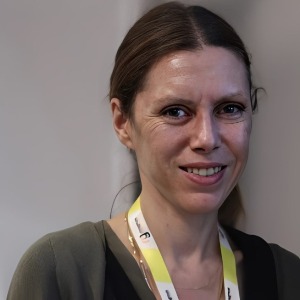
Orchidea Maria Lecian
Sapienza University of Rome, Italy
Anne Marteel Parrish
Washington College, United States
Rudra Sarkar
Indian Institute of Petroleum and Energy, India
Laxmi J Hathiya
Saurashtra University, India
Ahmed Diab Mohamed Ahmed El Esawy
Drinking Water and Sanitation Company, Egypt
Oumaima Cherradi
University Mohammed VI Polytechnic, Morocco
Fatemehsadat Mirmohammadmakki
Islamic Azad University, Iran (Islamic Republic of)Submit your abstract Today


Title : Hydrocracking theory and technology
Orchidea Maria Lecian, Sapienza University of Rome, Italy
Title : Advances in plasma-based waste treatment for sustainable communities
Hossam A Gabbar, Ontario Tech University, Canada
Title : Beyond business as usual: Advancing ethical sustainability education through indigenous knowledge, industry engagement, and real-world impact
Tomayess Issa, Curtin University, Australia
Title : AI-enabled circular economy and green chemistry: accelerating net-zero and sustainable industrial transformation
Anthony Halog, The University of Queensland, Australia
Title : Optical investigations of Zn-doped CuO nanostructure
Yarub Al Douri, European Academy of Sciences, Belgium
Title : Generalized green and red concepts: Environmental sustainability of AI, big data, ICT, and general green technologies
Jinsong Wu, University of Chile, Chile
Title : Crystallographic transformations and energy relations of thermomechanical processes in shape memory alloys
Osman Adiguzel, Firat University, Turkey
Title : Structural and gas-sensing properties of nano-structured mixed ferrites synthesized by citrate-gel auto-combustion technique
Laxmi J Hathiya, Saurashtra University, India
Title : Antibacterial activity of bioactive compounds extracted from the Egyptian untapped green algae Rhizoclonium hieroglyphicum
Ahmed Diab Mohamed Ahmed El Esawy, Drinking Water and Sanitation Company, Egypt
Title : Greener chemistry for a sustainable future: Transforming chemistry education through systems thinking
Anne Marteel Parrish, Washington College, United States