
Biocatalysis is a fascinating field at the intersection of biology and chemistry, leveraging the power of natural catalysts enzymes to drive chemical reactions with high specificity and efficiency. Unlike traditional chemical catalysts, which often require harsh conditions and generate undesirable by-products, biocatalysts offer a more environmentally friendly and sustainable approach to catalysis. At its core, biocatalysis harnesses the remarkable capabilities of enzymes, which are biological molecules that catalyze a wide range of chemical reactions in living organisms. These enzymes are highly selective, exhibiting exquisite specificity for their substrates, and they operate under mild conditions, typically at ambient temperatures and neutral pH levels. This gentle reaction environment minimizes energy consumption and reduces the need for hazardous chemicals, making biocatalysis an attractive option for green chemistry and industrial applications. Biocatalysis finds widespread use in various industries, including pharmaceuticals, food and beverage, agriculture, and biofuels. In pharmaceutical synthesis, for example, biocatalysts enable the production of complex molecules with precise stereochemistry, facilitating the synthesis of chiral pharmaceuticals more efficiently and cost-effectively than traditional chemical methods. In the food industry, enzymes are employed to enhance flavor, texture, and nutritional value, while in biofuel production, they help convert biomass into renewable fuels and chemicals. Moreover, biocatalysis offers significant advantages in terms of sustainability and environmental impact. By harnessing the inherent selectivity and efficiency of enzymes, biocatalytic processes can minimize waste generation, reduce energy consumption, and mitigate the use of hazardous chemicals, thereby contributing to greener and more sustainable manufacturing practices. In summary, biocatalysis represents a powerful and versatile approach to catalysis, capitalizing on the remarkable properties of enzymes to drive chemical transformations with precision, efficiency, and environmental sustainability. As research in this field continues to advance, biocatalysis holds immense promise for revolutionizing various sectors and driving innovation towards a more sustainable future.
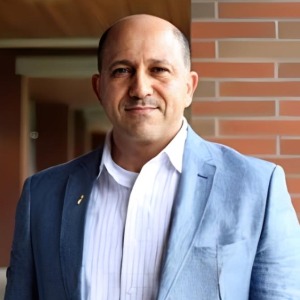
Hossam A Gabbar
Ontario Tech University, Canada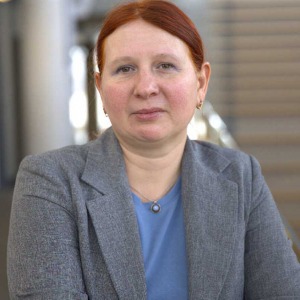
Olena V Zenkina
Ontario Tech University, Canada
Tomayess Issa
Curtin University, Australia
Orchidea Maria Lecian
Sapienza University of Rome, Italy
Anne Marteel Parrish
Washington College, United States
Rudra Sarkar
Indian Institute of Petroleum and Energy, India
Laxmi J Hathiya
Saurashtra University, India
Ahmed Diab Mohamed Ahmed El Esawy
Drinking Water and Sanitation Company, Egypt
Oumaima Cherradi
University Mohammed VI Polytechnic, Morocco
Fatemehsadat Mirmohammadmakki
Islamic Azad University, Iran (Islamic Republic of)Submit your abstract Today


Title : Hydrocracking theory and technology
Orchidea Maria Lecian, Sapienza University of Rome, Italy
Title : Advances in plasma-based waste treatment for sustainable communities
Hossam A Gabbar, Ontario Tech University, Canada
Title : Beyond business as usual: Advancing ethical sustainability education through indigenous knowledge, industry engagement, and real-world impact
Tomayess Issa, Curtin University, Australia
Title : AI-enabled circular economy and green chemistry: accelerating net-zero and sustainable industrial transformation
Anthony Halog, The University of Queensland, Australia
Title : Optical investigations of Zn-doped CuO nanostructure
Yarub Al Douri, European Academy of Sciences, Belgium
Title : Generalized green and red concepts: Environmental sustainability of AI, big data, ICT, and general green technologies
Jinsong Wu, University of Chile, Chile
Title : Crystallographic transformations and energy relations of thermomechanical processes in shape memory alloys
Osman Adiguzel, Firat University, Turkey
Title : Structural and gas-sensing properties of nano-structured mixed ferrites synthesized by citrate-gel auto-combustion technique
Laxmi J Hathiya, Saurashtra University, India
Title : Antibacterial activity of bioactive compounds extracted from the Egyptian untapped green algae Rhizoclonium hieroglyphicum
Ahmed Diab Mohamed Ahmed El Esawy, Drinking Water and Sanitation Company, Egypt
Title : Greener chemistry for a sustainable future: Transforming chemistry education through systems thinking
Anne Marteel Parrish, Washington College, United States