
Green anti-fouling agents represent a revolutionary approach to marine coating technology. Unlike traditional anti-fouling agents that often contain harmful biocides, green alternatives aim to mitigate biofouling while minimizing environmental impact. These eco-friendly coatings utilize non-toxic substances, such as silicone or hydrogel-based polymers, to discourage the attachment of marine organisms to ship hulls. Green anti-fouling agents provide an effective barrier against barnacles, algae, and other organisms, reducing drag and improving fuel efficiency for vessels. The absence of toxic chemicals in these coatings prevents the release of harmful substances into aquatic ecosystems, safeguarding marine life and biodiversity. These environmentally friendly solutions are gaining popularity due to their biodegradability and reduced ecological footprint. They contribute to cleaner oceans by preventing the spread of invasive species and protecting sensitive marine habitats. Green anti-fouling agents also comply with increasingly stringent environmental regulations, promoting sustainable practices within the maritime industry. Research and development continue to advance green anti-fouling technologies, exploring innovative materials and application methods. As the maritime sector embraces these eco-conscious alternatives, it takes a significant step towards a more sustainable and responsible approach to vessel maintenance, aligning with global efforts to preserve and protect our oceans.
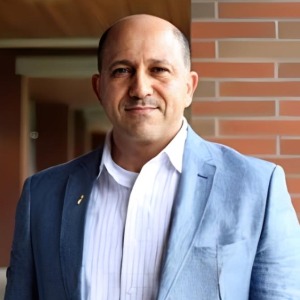
Hossam A Gabbar
Ontario Tech University, Canada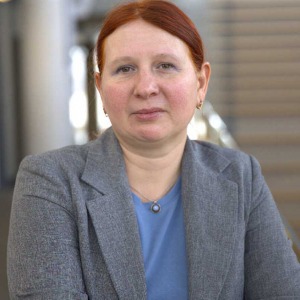
Olena V Zenkina
Ontario Tech University, Canada
Tomayess Issa
Curtin University, Australia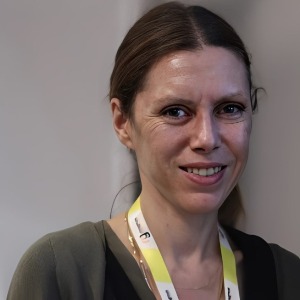
Orchidea Maria Lecian
Sapienza University of Rome, Italy
Anne Marteel Parrish
Washington College, United States
Rudra Sarkar
Indian Institute of Petroleum and Energy, India
Laxmi J Hathiya
Saurashtra University, India
Ahmed Diab Mohamed Ahmed El Esawy
Drinking Water and Sanitation Company, Egypt
Oumaima Cherradi
University Mohammed VI Polytechnic, Morocco
Fatemehsadat Mirmohammadmakki
Islamic Azad University, Iran (Islamic Republic of)Submit your abstract Today


Title : Hydrocracking theory and technology
Orchidea Maria Lecian, Sapienza University of Rome, Italy
Title : Advances in plasma-based waste treatment for sustainable communities
Hossam A Gabbar, Ontario Tech University, Canada
Title : Beyond business as usual: Advancing ethical sustainability education through indigenous knowledge, industry engagement, and real-world impact
Tomayess Issa, Curtin University, Australia
Title : AI-enabled circular economy and green chemistry: accelerating net-zero and sustainable industrial transformation
Anthony Halog, The University of Queensland, Australia
Title : Optical investigations of Zn-doped CuO nanostructure
Yarub Al Douri, European Academy of Sciences, Belgium
Title : Generalized green and red concepts: Environmental sustainability of AI, big data, ICT, and general green technologies
Jinsong Wu, University of Chile, Chile
Title : Crystallographic transformations and energy relations of thermomechanical processes in shape memory alloys
Osman Adiguzel, Firat University, Turkey
Title : Structural and gas-sensing properties of nano-structured mixed ferrites synthesized by citrate-gel auto-combustion technique
Laxmi J Hathiya, Saurashtra University, India
Title : Antibacterial activity of bioactive compounds extracted from the Egyptian untapped green algae Rhizoclonium hieroglyphicum
Ahmed Diab Mohamed Ahmed El Esawy, Drinking Water and Sanitation Company, Egypt
Title : Greener chemistry for a sustainable future: Transforming chemistry education through systems thinking
Anne Marteel Parrish, Washington College, United States