International Conference on Analytical and Bioanalytical Techniques
Advances in Separation Methods and Chromatographic, electrophoretic Methods
The procedure of separating chemicals from a mixture is called chromatography. The technique can be used for both analytical and preparative purposes, and it is commonly used in laboratory and industrial standards. Around the world, chromatography or a form of it is used in more than 60% of chemical analysis. Chromatography is a physical technique used in forensic science and basic organic chemistry. Various types of chromatography aid scientists in separating the components of a sample. To determine the quality and quantity of drug molecules, it is critical to use separation procedures that are reliable, high throughput, commercially available, and simple to deploy. These approaches allow for the examination of medications alone or in combination with other drugs, impurities, related compounds, metabolites, or any other interferences in a variety of simple and complicated matrices, including pharmaceuticals, biological samples, and environmental samples.
The migration of charged molecules and particles under the influence of an electrical field is known as electrophoresis. The pH and ionic strength of the buffer have a big impact on the electrophoretic mobility of charged molecules. Electrophoretic separations can be performed in free solution (for example, in capillary and free flow systems) or on support matrices (for example, agarose or polyacrylamide gels), and even complicated mixtures can be resolved based on differences in charge and/or size of the molecules. Zone electrophoresis, isotachophoresis, and isoelectric focusing are the three most common electrophoretic principles used; analytes include proteins, peptides, sugars, nucleic acids, and inorganic ions.

Jose Bernal
University of Valladolid, Spain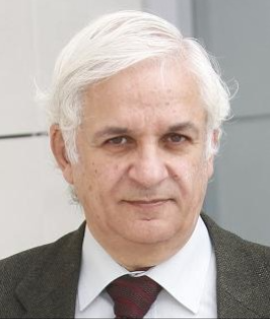
Victor Cerda
Sciware Systems, Spain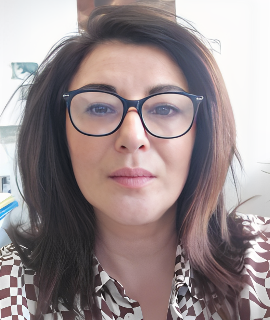
Maria Jesus Villasenor Llerena
Castilla- La Mancha University, Spain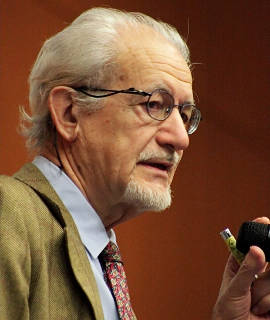
Pier Giorgio Righetti
Politecnico di Milano, Italy
Vittoria Guglielmi
University of Milan, Italy
Ana Maria Ares Sacristan
University of Valladolid, Spain
Cristina Gutierrez Sanchez
Universidad Autonoma de Madrid, Spain

Title : Chromatographic methods for authenticating bee pollen origin
Jose Bernal, University of Valladolid, Spain
Title : Raman spectroscopy and imaging in organization, processing and functionalization of polysaccharide materials
Pieter Samyn, Department of Innovations in Circular Economy and Renewable Materials, SIRRIS, Leuven, Belgium
Title : Portable and laboratory analytical photometric and fluorometric systems based on the use of 3D printed devices
Victor Cerda, Sciware Systems, Spain
Title : Electrochemical properties and sensing capacities of different carbon-based nanodots toward the detection of bioactives in complex matrices
Maria Jesus Villasenor Llerena, Castilla- La Mancha University, Spain
Title : Development of new creep prediction model for use through computational modelling for SS-304 material
Mohsin Sattar, Universiti Teknologi Petronas, Malaysia
Title : DNA-templated silver nanoclusters light up tryptophan for combined detection of plasma tryptophan and albumin in sepsis
Jingpu Zhang, Shanghai Public Health Clinical Center, China