International Conference on Analytical and Bioanalytical Techniques
Electroanalytical, Thermal And Chemical Methods
Electroanalytical methods are a group of analytical chemistry techniques that measure the potential (volts) and/or current (amperes) in an electrochemical cell containing the analyte to investigate it. Depending on which characteristics of the cell are regulated and which are measured, these approaches can be divided into different groups. Potentiometry (measuring the difference in electrode potentials), coulometry (measuring the cell's current over time), and voltammetry (measuring the cell's current while actively adjusting the cell's potential) are the three primary categories. Electroanalytical chemistry refers to a set of quantitative analytical methods based on the electrical characteristics of an analyte solution when it is placed in an electrochemical cell.
Thermal analysis is a discipline of materials science that studies how materials' properties vary when temperature changes. Thermal analysis is a broad phrase that refers to a technique for determining the time and temperature at which physical changes in a substance occur when it is heated or cooled. Each technique is defined by the types of physical changes that are being investigated. Depending on the aim, several procedures or a mix of multiple techniques are required when evaluating material attributes. The term "thermal analysis" is also applied to the study of heat flow through structures. Measurements of heat capacity and thermal conductivity provide a lot of the basic engineering data for modelling such systems.
Analytical chemistry methods are techniques that are used to detect, identify, characterise, and quantify chemical substances. These approaches are commonly used in biology for pharmaceutical product research, development, and quality control. The techniques employed allow for quantitative or qualitative analysis of samples, as well as more or less invasive and destructive analysis, and usually necessitate sophisticated instrumentation. Mass, chemical composition, molecular structure, radioactivity, molecule interactions, and other attributes are examined. Applications include everything from identifying chemicals in a sample to validating production techniques.

Jose Bernal
University of Valladolid, Spain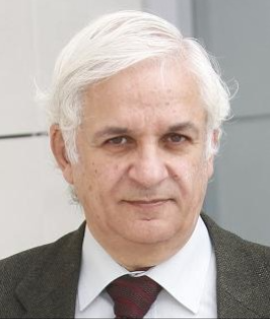
Victor Cerda
Sciware Systems, Spain
Maria Jesus Villasenor Llerena
Castilla- La Mancha University, Spain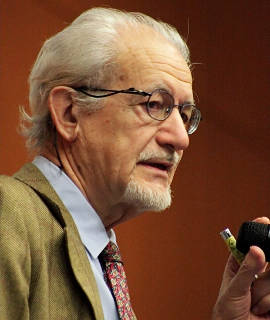
Pier Giorgio Righetti
Politecnico di Milano, Italy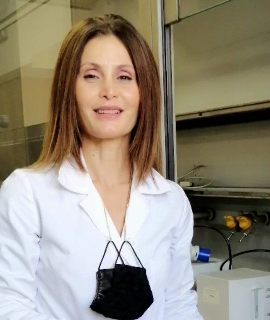
Vittoria Guglielmi
University of Milan, Italy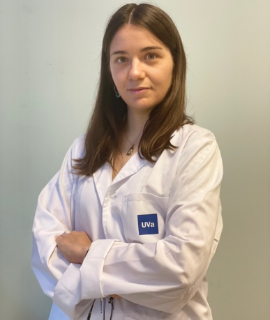
Ana Maria Ares Sacristan
University of Valladolid, Spain
Cristina Gutierrez Sanchez
Universidad Autonoma de Madrid, Spain

Title : Chromatographic methods for authenticating bee pollen origin
Jose Bernal, University of Valladolid, Spain
Title : Raman spectroscopy and imaging in organization, processing and functionalization of polysaccharide materials
Pieter Samyn, Department of Innovations in Circular Economy and Renewable Materials, SIRRIS, Leuven, Belgium
Title : Portable and laboratory analytical photometric and fluorometric systems based on the use of 3D printed devices
Victor Cerda, Sciware Systems, Spain
Title : Electrochemical properties and sensing capacities of different carbon-based nanodots toward the detection of bioactives in complex matrices
Maria Jesus Villasenor Llerena, Castilla- La Mancha University, Spain
Title : Development of new creep prediction model for use through computational modelling for SS-304 material
Mohsin Sattar, Universiti Teknologi Petronas, Malaysia
Title : DNA-templated silver nanoclusters light up tryptophan for combined detection of plasma tryptophan and albumin in sepsis
Jingpu Zhang, Shanghai Public Health Clinical Center, China