International Conference on Analytical and Bioanalytical Techniques
Electroanalytical techniques and Advanced Analytical Techniques and Bio-analytical Techniques
Electroanalytical methods are a branch of analytical chemistry that focuses on determining the properties of an analyte in an electrochemical cell. These numerous electrochemical approaches are divided into several groups based on the key component that regulates and controls the cell. Electroanalytical procedures are a broad category that includes a wide range of techniques. Some of these techniques are selective (like potentiometry), while others are nearly non-specific (e.g. conductometry). Other performance variables, such as dynamic range and detection limit, show similar differences.
Analytical chemistry is concerned with the chemical characterization of matter as well as the refinement of qualitative and quantitative problems pertaining to that matter. It is important in nearly every facet of scientific study and development, including clinical, forensic, environmental, and pharmaceutical sciences. Analytical chemistry is essential in medicine for clinical laboratory tests that provide the foundation for disease diagnosis. An analytical approach is mostly determined by the technique's selectivity, sensitivity, accuracy, precision, cost, and speed.
A bioanalytical method is a set of procedures for collecting, processing, storing, and analysing a biological matrix for the analysis of a chemical compound. The process of determining if a quantitative analytical method is adequate for biochemical applications is known as bioanalytical method validation (BMV). The advancement of bioanalytical techniques has resulted in a dynamic field with many exciting potentials for further advancement in the future. In the pharmaceutical sector, bioanalysis is primarily used to acquire a quantitative measure of the drug and its metabolites.

Jose Bernal
University of Valladolid, Spain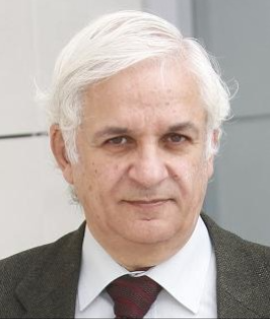
Victor Cerda
Sciware Systems, Spain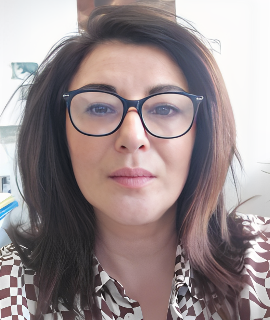
Maria Jesus Villasenor Llerena
Castilla- La Mancha University, Spain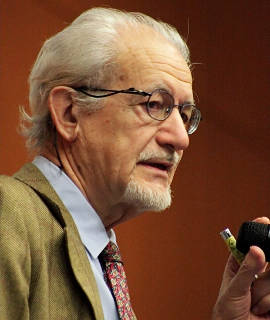
Pier Giorgio Righetti
Politecnico di Milano, Italy
Vittoria Guglielmi
University of Milan, Italy
Ana Maria Ares Sacristan
University of Valladolid, Spain
Cristina Gutierrez Sanchez
Universidad Autonoma de Madrid, Spain

Title : Chromatographic methods for authenticating bee pollen origin
Jose Bernal, University of Valladolid, Spain
Title : Raman spectroscopy and imaging in organization, processing and functionalization of polysaccharide materials
Pieter Samyn, Department of Innovations in Circular Economy and Renewable Materials, SIRRIS, Leuven, Belgium
Title : Portable and laboratory analytical photometric and fluorometric systems based on the use of 3D printed devices
Victor Cerda, Sciware Systems, Spain
Title : Electrochemical properties and sensing capacities of different carbon-based nanodots toward the detection of bioactives in complex matrices
Maria Jesus Villasenor Llerena, Castilla- La Mancha University, Spain
Title : Development of new creep prediction model for use through computational modelling for SS-304 material
Mohsin Sattar, Universiti Teknologi Petronas, Malaysia
Title : DNA-templated silver nanoclusters light up tryptophan for combined detection of plasma tryptophan and albumin in sepsis
Jingpu Zhang, Shanghai Public Health Clinical Center, China