International Conference on Analytical and Bioanalytical Techniques
Surface Analysis
Surface analysis is the study of the part of a solid that is in contact with a gas or a vacuum in analytical chemistry. An interface is formed when two phases of matter come into contact. The term surface is most commonly used to describe the interface between a solid and a gas or a solid and a vacuum; the surface is defined as the component of the solid that interacts with its surroundings. Other interfaces are examined individually, such as those between two solids, two liquids, a solid and a liquid, or a liquid and a gas. Since the mid-twentieth century, surface analysis methods have evolved dramatically. The field of adhesion research has benefited greatly from surface analysis. Surface analysis has also allowed adhesion experts to figure out what causes adhesive bonds to fail, especially after being exposed to harsh environments.

Jose Bernal
University of Valladolid, Spain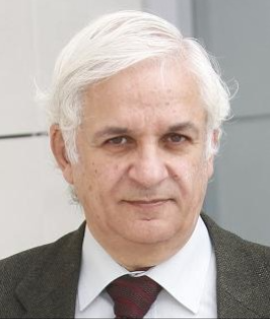
Victor Cerda
Sciware Systems, Spain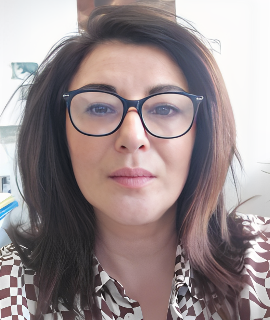
Maria Jesus Villasenor Llerena
Castilla- La Mancha University, Spain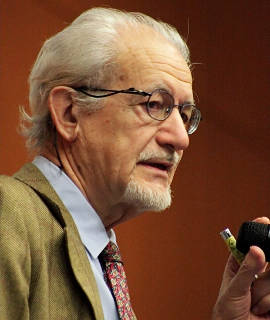
Pier Giorgio Righetti
Politecnico di Milano, Italy
Vittoria Guglielmi
University of Milan, Italy
Ana Maria Ares Sacristan
University of Valladolid, Spain
Cristina Gutierrez Sanchez
Universidad Autonoma de Madrid, Spain

Title : Chromatographic methods for authenticating bee pollen origin
Jose Bernal, University of Valladolid, Spain
Title : Raman spectroscopy and imaging in organization, processing and functionalization of polysaccharide materials
Pieter Samyn, Department of Innovations in Circular Economy and Renewable Materials, SIRRIS, Leuven, Belgium
Title : Portable and laboratory analytical photometric and fluorometric systems based on the use of 3D printed devices
Victor Cerda, Sciware Systems, Spain
Title : Electrochemical properties and sensing capacities of different carbon-based nanodots toward the detection of bioactives in complex matrices
Maria Jesus Villasenor Llerena, Castilla- La Mancha University, Spain
Title : Development of new creep prediction model for use through computational modelling for SS-304 material
Mohsin Sattar, Universiti Teknologi Petronas, Malaysia
Title : DNA-templated silver nanoclusters light up tryptophan for combined detection of plasma tryptophan and albumin in sepsis
Jingpu Zhang, Shanghai Public Health Clinical Center, China