International Conference on Analytical and Bioanalytical Techniques
Analytical Techniques for Separation and Novel Optical Sensors and Biosensors
Optical sensors are a type of device that detects the intensity of light. This could be a basic component that alerts you when ambient light levels exceed or fall below a certain threshold, or a highly sensitive instrument that can detect single photons. The majority of optical sensors generate an electrical signal. An optical sensor measures a physical quantity of light and then converts it into a form that may be read by an integrated measuring device, depending on the type of sensor. Optical sensors are made by a chemically selective layer reacting with a species of interest to change the sensor's optical characteristics. Optical sensors have previously shown to be either very simple and cost-effective devices or technologies that allow for very complex multisensor applications.
A biosensor is a type of analytical instrument that detects and converts changes in biological processes into an electrical signal. A biosensor is a device that uses signals proportional to the concentration of an analyte in a reaction to assess biological or chemical responses. Disease monitoring, drug discovery, and the detection of contaminants, disease-causing microorganisms, and disease markers in physiological fluids are among applications where biosensors are used (blood, urine, saliva, sweat). The oxidation of an enzyme is a regularly used biological response.

Jose Bernal
University of Valladolid, Spain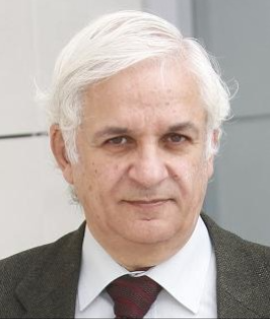
Victor Cerda
Sciware Systems, Spain
Maria Jesus Villasenor Llerena
Castilla- La Mancha University, Spain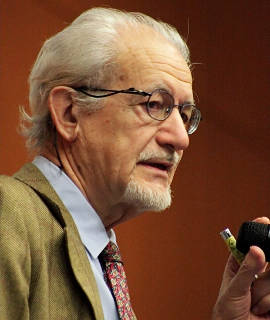
Pier Giorgio Righetti
Politecnico di Milano, Italy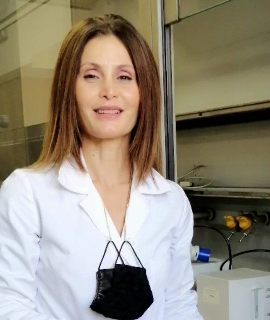
Vittoria Guglielmi
University of Milan, Italy
Ana Maria Ares Sacristan
University of Valladolid, Spain
Cristina Gutierrez Sanchez
Universidad Autonoma de Madrid, Spain

Title : Chromatographic methods for authenticating bee pollen origin
Jose Bernal, University of Valladolid, Spain
Title : Raman spectroscopy and imaging in organization, processing and functionalization of polysaccharide materials
Pieter Samyn, Department of Innovations in Circular Economy and Renewable Materials, SIRRIS, Leuven, Belgium
Title : Portable and laboratory analytical photometric and fluorometric systems based on the use of 3D printed devices
Victor Cerda, Sciware Systems, Spain
Title : Electrochemical properties and sensing capacities of different carbon-based nanodots toward the detection of bioactives in complex matrices
Maria Jesus Villasenor Llerena, Castilla- La Mancha University, Spain
Title : Development of new creep prediction model for use through computational modelling for SS-304 material
Mohsin Sattar, Universiti Teknologi Petronas, Malaysia
Title : DNA-templated silver nanoclusters light up tryptophan for combined detection of plasma tryptophan and albumin in sepsis
Jingpu Zhang, Shanghai Public Health Clinical Center, China