International Conference on Analytical and Bioanalytical Techniques
Chromatography And Electrophoresis
Chromatography is a vital biophysical technique for qualitative and quantitative analysis that allows for the separation, identification, and purification of the components of a mixture. Chromatography works on the principle of molecules in a mixture being applied to a surface or a solid, and the fluid stationary phase (stable phase) separating from one another while moving with the help of a mobile phase. Molecular features connected to adsorption (liquid-solid), partition (liquid-solid), and affinity or variations among their molecular weights are effective on this separation process. The right selection of the chromatographic system, that is, the mix of stationary and mobile phases, is the foundation for every successful preparative chromatographic separation, just as it is in analytical chromatography. Apart from separation, the goal of using chromatography as a method of quantitative analysis is to obtain an acceptable separation in a reasonable amount of time.
Electrophoresis is a technique used in laboratories to separate DNA, RNA, and protein molecules depending on their size and electrical charge. An electric current is utilised to drive molecules across a gel for separation. The gel's pores act as a filter, allowing smaller molecules to pass more quickly than bigger molecules. The electrophoresis settings can be adjusted to separate molecules in a certain size range. The migration and separation of charged particles (ions) under the influence of an electric field is referred to as electrophoresis. An electrophoretic system is made up of two electrodes with opposite charges (anode and cathode), which are connected by an electrolyte.

Jose Bernal
University of Valladolid, Spain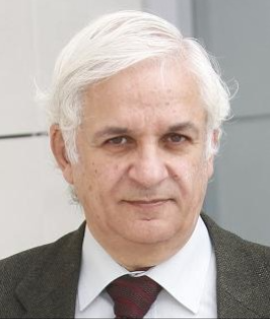
Victor Cerda
Sciware Systems, Spain
Maria Jesus Villasenor Llerena
Castilla- La Mancha University, Spain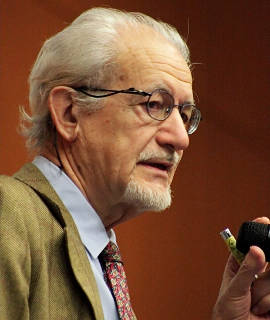
Pier Giorgio Righetti
Politecnico di Milano, Italy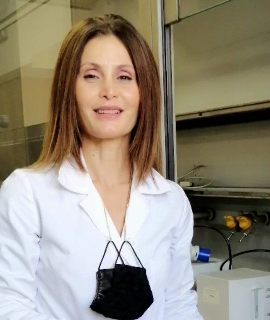
Vittoria Guglielmi
University of Milan, Italy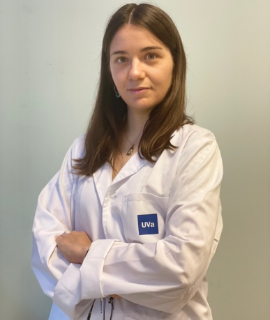
Ana Maria Ares Sacristan
University of Valladolid, Spain
Cristina Gutierrez Sanchez
Universidad Autonoma de Madrid, Spain

Title : Chromatographic methods for authenticating bee pollen origin
Jose Bernal, University of Valladolid, Spain
Title : Raman spectroscopy and imaging in organization, processing and functionalization of polysaccharide materials
Pieter Samyn, Department of Innovations in Circular Economy and Renewable Materials, SIRRIS, Leuven, Belgium
Title : Portable and laboratory analytical photometric and fluorometric systems based on the use of 3D printed devices
Victor Cerda, Sciware Systems, Spain
Title : Electrochemical properties and sensing capacities of different carbon-based nanodots toward the detection of bioactives in complex matrices
Maria Jesus Villasenor Llerena, Castilla- La Mancha University, Spain
Title : Development of new creep prediction model for use through computational modelling for SS-304 material
Mohsin Sattar, Universiti Teknologi Petronas, Malaysia
Title : DNA-templated silver nanoclusters light up tryptophan for combined detection of plasma tryptophan and albumin in sepsis
Jingpu Zhang, Shanghai Public Health Clinical Center, China