International Conference on Analytical and Bioanalytical Techniques
Wet Chemical Methods and Enzymes in bioanalytical chemistry
Wet chemistry, often known as wet chemical analysis, refers to chemistry conducted on liquid-phase substances. The process of dissolving a sample with a reagent such as acids to dissolve in a solvent and identifying and quantifying the targeted elements using various measuring methods is known as wet chemical analysis. If necessary, the sample will be separated and isolated. The stoichiometric methods used in wet chemical analysis, such as gravimetric and volumetric methods, ensure precise and accurate (quantitative) chemical analysis of the material. This approach is frequently used in instrument analysis to determine the key components with high accuracy and precision, as well as to assess the correctness of standard specimens and reagents. The qualitative analysis, which identifies the constituents, and the quantitative analysis, which determines the quantity, are two forms of wet chemical analysis.
Enzymes are biological catalysts (also known as biocatalysts) that help living organisms speed up biochemical reactions. They can be isolated from cells and employed to catalyse a variety of commercially relevant activities. Enzymes only need to be present in very small amounts to act as catalysts, and they can speed up reactions without being consumed. Enzymes are commonly thought to be able to catalyse the conversion of substrate molecules into product molecules. Bioanalytical approaches have emerged as one of the most promising tools in recent years. Biosensor-based bioanalytical approaches that involve enzymatic reactions can be used as an indicator or general toxicity indication for quickly identifying food or environmental pollutants.

Jose Bernal
University of Valladolid, Spain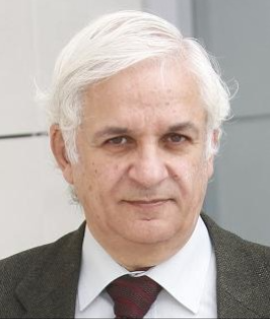
Victor Cerda
Sciware Systems, Spain
Maria Jesus Villasenor Llerena
Castilla- La Mancha University, Spain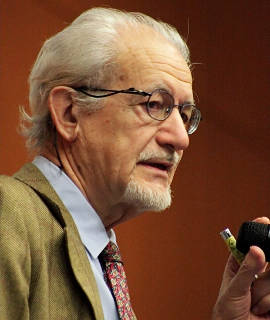
Pier Giorgio Righetti
Politecnico di Milano, Italy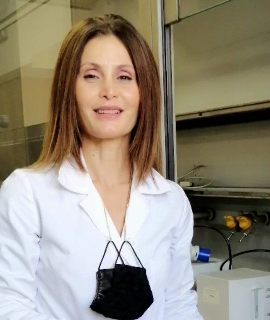
Vittoria Guglielmi
University of Milan, Italy
Ana Maria Ares Sacristan
University of Valladolid, Spain
Cristina Gutierrez Sanchez
Universidad Autonoma de Madrid, Spain

Title : Chromatographic methods for authenticating bee pollen origin
Jose Bernal, University of Valladolid, Spain
Title : Raman spectroscopy and imaging in organization, processing and functionalization of polysaccharide materials
Pieter Samyn, Department of Innovations in Circular Economy and Renewable Materials, SIRRIS, Leuven, Belgium
Title : Portable and laboratory analytical photometric and fluorometric systems based on the use of 3D printed devices
Victor Cerda, Sciware Systems, Spain
Title : Electrochemical properties and sensing capacities of different carbon-based nanodots toward the detection of bioactives in complex matrices
Maria Jesus Villasenor Llerena, Castilla- La Mancha University, Spain
Title : Development of new creep prediction model for use through computational modelling for SS-304 material
Mohsin Sattar, Universiti Teknologi Petronas, Malaysia
Title : DNA-templated silver nanoclusters light up tryptophan for combined detection of plasma tryptophan and albumin in sepsis
Jingpu Zhang, Shanghai Public Health Clinical Center, China