International Conference on Analytical and Bioanalytical Techniques
Stem Cell Biotechnology and Regenerative Medicine
The ability of stem cells to self-renew and give rise to successive generations with varying degrees of differentiation opens up a lot of possibilities for producing tissues that might potentially replace diseased and damaged parts of the body with minimal threat of rejection and negative effects. Stem cell technology is a fast-evolving science that brings together the efforts of cell biologists, geneticists, and physicians to offer promise for effective treatment of a variety of cancers and non-cancerous disorders. Stem cells are totipotent progenitor cells that can self-renew and differentiate into many lineages. Stem cells have immense potential for treating a variety of disorders for which there is presently no effective treatment. The area has advanced to the clinic, and it is critical that this approach is supported by great science and strict clinical research standards.
Regenerative medicine is a branch of medicine that focuses on finding ways to regrow, repair, or replace cells, organs, and tissues that have been damaged or diseased. The development and use of therapeutic stem cells, tissue engineering, and the generation of new organs are all examples of regenerative medicine. Regenerative medicine is now a well-established multidisciplinary field that includes tissue engineering, stem cells, and cloning, among other technological advancements. The number of publications on stem cells and their use in regenerative medicine has increased dramatically in recent years.

Jose Bernal
University of Valladolid, Spain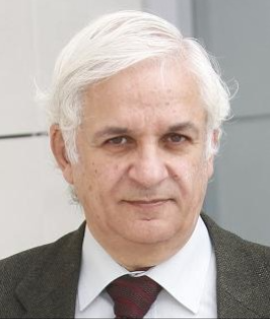
Victor Cerda
Sciware Systems, Spain
Maria Jesus Villasenor Llerena
Castilla- La Mancha University, Spain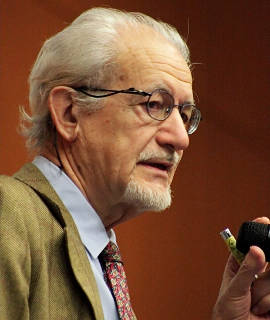
Pier Giorgio Righetti
Politecnico di Milano, Italy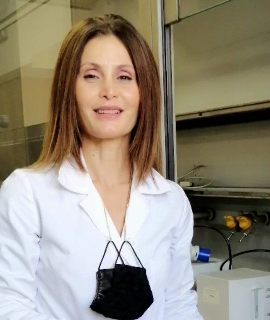
Vittoria Guglielmi
University of Milan, Italy
Ana Maria Ares Sacristan
University of Valladolid, Spain
Cristina Gutierrez Sanchez
Universidad Autonoma de Madrid, Spain

Title : Chromatographic methods for authenticating bee pollen origin
Jose Bernal, University of Valladolid, Spain
Title : Raman spectroscopy and imaging in organization, processing and functionalization of polysaccharide materials
Pieter Samyn, Department of Innovations in Circular Economy and Renewable Materials, SIRRIS, Leuven, Belgium
Title : Portable and laboratory analytical photometric and fluorometric systems based on the use of 3D printed devices
Victor Cerda, Sciware Systems, Spain
Title : Electrochemical properties and sensing capacities of different carbon-based nanodots toward the detection of bioactives in complex matrices
Maria Jesus Villasenor Llerena, Castilla- La Mancha University, Spain
Title : Development of new creep prediction model for use through computational modelling for SS-304 material
Mohsin Sattar, Universiti Teknologi Petronas, Malaysia
Title : DNA-templated silver nanoclusters light up tryptophan for combined detection of plasma tryptophan and albumin in sepsis
Jingpu Zhang, Shanghai Public Health Clinical Center, China