International Conference on Analytical and Bioanalytical Techniques
Food And Beverage Analysis
Chemicals must be examined in a wide range of situations. Chemicals in food are no exception. It's critical to understand what goes into foods, whether it's chemical additives, nutrients, or other chemicals, before humans consume them. Any product that will be used by humans must be thoroughly tested, and because foods are eaten, the testing is frequently even more important to avoid any health problems. Ascertaining product quality, enforcing regulatory requirements, assessing compliance with national and international food standards, contracting specifications, and nutrient labelling regulations all require food analysis. The most common analytical procedures used in the food and beverage sector are for food safety, nutrition, and quality monitoring and testing. To ensure compliance with local, national, and international requirements, these testing cover chemical, microbiological, and physical pollutants.

Jose Bernal
University of Valladolid, Spain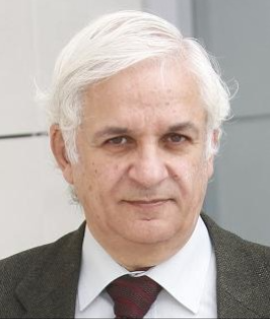
Victor Cerda
Sciware Systems, Spain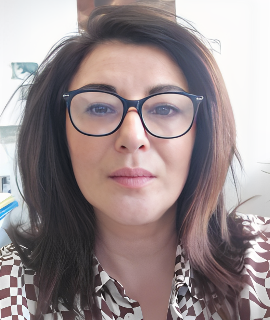
Maria Jesus Villasenor Llerena
Castilla- La Mancha University, Spain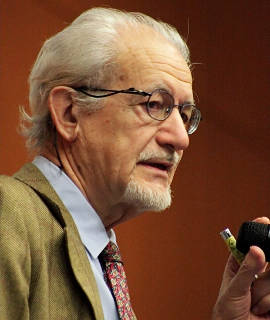
Pier Giorgio Righetti
Politecnico di Milano, Italy
Vittoria Guglielmi
University of Milan, Italy
Ana Maria Ares Sacristan
University of Valladolid, Spain
Cristina Gutierrez Sanchez
Universidad Autonoma de Madrid, Spain

Title : Chromatographic methods for authenticating bee pollen origin
Jose Bernal, University of Valladolid, Spain
Title : Raman spectroscopy and imaging in organization, processing and functionalization of polysaccharide materials
Pieter Samyn, Department of Innovations in Circular Economy and Renewable Materials, SIRRIS, Leuven, Belgium
Title : Portable and laboratory analytical photometric and fluorometric systems based on the use of 3D printed devices
Victor Cerda, Sciware Systems, Spain
Title : Electrochemical properties and sensing capacities of different carbon-based nanodots toward the detection of bioactives in complex matrices
Maria Jesus Villasenor Llerena, Castilla- La Mancha University, Spain
Title : Development of new creep prediction model for use through computational modelling for SS-304 material
Mohsin Sattar, Universiti Teknologi Petronas, Malaysia
Title : DNA-templated silver nanoclusters light up tryptophan for combined detection of plasma tryptophan and albumin in sepsis
Jingpu Zhang, Shanghai Public Health Clinical Center, China